What to expect during the custom software development process
Custom software development can feel overwhelming, especially if you're not familiar with the process. However, understanding the steps involved will help you stay in control and ensure you achieve the best outcome for you, your team, your business and your customers!
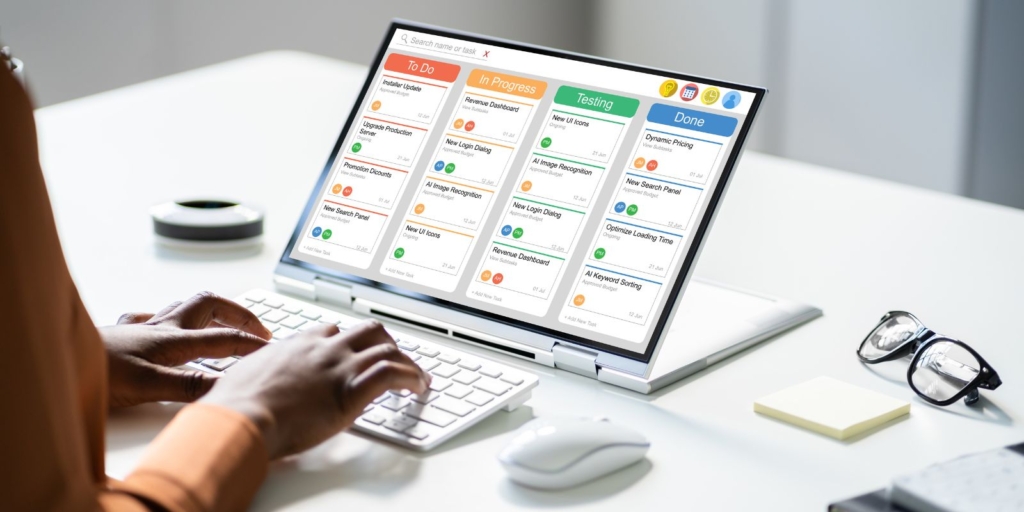
In this post we’ll walk you through what to expect during each phase of a custom software development project, so you can navigate your journey with confidence.
1. Project Discovery - Initial Consultation and Requirements Gathering
The first step in any custom software development project is understanding exactly what you need. You’ll often hear it referred to as ‘Project Discovery’ and it’s the first vital step in laying the crucial groundwork for a successful project.
It should involve all stakeholders and result in the development of a clear roadmap for the project.
And if this is already sounding a little daunting, fear not!
The selection of an experienced software development team, who understand the demands of today’s multifaceted business processes, will start paying dividends even at this early stage.

They really do play a pivotal role, even at this early stage. It’s so important that they have a clear understanding of your goals and the business problems you’re trying to solve.
But it’s also really important to have a good rapport with your software development team right from the start. You’re going to be working really closely with them throughout the project’s lifespan, so you need to select people you feel you can truly partner with.
At Go Tripod we really pride ourselves in this area. As well as having the development experience and the business acumen to create a tip top software platform for you, we’re a genial down-to-earth bunch who fit into just about any team.
Your chosen development team will kick off by conducting in-depth consultations to gather detailed requirements, which form the foundation for everything that follows.
During this phase, expect the following:
- Stakeholder Interviews: Developers will want to speak to key team members to clarify business needs, pain points, and expectations.
- Business Analysis: Make sure your software development team has someone with clear business experience or a defined project manager to ensure a comprehensive analysis is conducted to understand how the software should align with your business objectives. Put simply you’re looking for a team who can couple market trends with user behaviour and translate that into a successful digital product for your organisation.
- Goal Setting: Clear, measurable goals will be defined, helping guide the development process, assess success and form the basis on on-going monitoring parameters.
2. Planning and Proposal
Once the requirements are understood, the development team will draft a proposal and project plan.

These will typically include:
- Timeline: A rough schedule of development milestones and the overall project timeline.
- Budget: A detailed cost breakdown, including details of any stage payments or milestone triggers.
- Technologies used: Your software development team should provide details of the proposed technologies and platforms that will be used, such as programming languages, frameworks, and hosting solutions.
- Features List/Scope: A comprehensive list of features and functionalities of the software agreed upon during the requirements gathering.
This proposal serves as the go-to document for both you and your development team, ensuring a clear outline of the project’s scope (what’s included and, perhaps more importantly, what’s not!) and expectations moving forward.
3. Design and Prototyping
With a clear plan in place, the design phase can begin.
An experienced software development company will come into its own here.
Expect to see:
- Wireframes: These are basic visual representations of how your software will look, outlining the structure and layout. (Insert GT Example)
- Prototypes: More interactive models that allow you to test and visualize user flows. This stage is essential for user experience (UX) and user interface (UI) design, making sure the software is intuitive and easy to navigate.

You should be looking for a perfect marriage of aesthetics and performance here, to optimise both UX and UI and you should expect to be actively involved in reviewing and providing feedback to ensure the design meets your expectations.
4. Development
This is where the coding begins and the developers really get to work!
The development phase is often broken down into stages:

- Frontend Development: This is the visible part of your application that users interact with (UI/UX).
- Backend Development: This is the "behind-the-scenes" functionality of your software. It includes database interactions, server logic, and any integrations with other systems.
- Agile Methodology: Many developers use an Agile approach, working in short, iterative cycles called “sprints”. But whatever methodology your development team use, you should expect to regularly see progress and have the opportunity to provide feedback.
During this phase, you might not be involved in the technical details, but you should expect regular updates on progress.
5. Testing and Quality Assurance
Before the software is released, it should go through rigorous testing. This ensures that the final product is free from bugs and functions as intended.
Testing includes:
- Unit Testing: This is where individual components or modules of the software are tested for functionality.
- Integration Testing: This testing verifies that different parts of the system work together as intended and, equally, that any integrations with other platforms or systems are seamless.
- User Acceptance Testing (UAT): This is a critical phase, but exciting phase where you and your team get hands-on and test the software in real-world scenarios! Its importance should not be underestimated and you and other key stakeholders will need to be prepared to allocate sufficient time for testing and feedback during UAT.
6. Deployment
Once the software has passed all testing phases, it’s time for deployment. The moment of truth – Go Live - Launch!

The deployment process involves:
- Server Setup: Configuring the environment where the software will ‘live’. This might be a cloud-based system or an on-premises server.
- Data Migration: Moving data from old systems (if applicable) to the new software.
- Launch: Making the software live and accessible to users.
7. Training and Documentation
A key part of a successful software rollout is making sure users are comfortable with the new system. Research shows that the more comfortable users are with software the more successful it will be.
Expect:
- Training Sessions: The extent of the training will depend on the scope and complexity of the system. It may be as simple as a short remotely conducted ‘Teams’ session or it may involve on-site face to face sessions with key stakeholders and their teams facilitating hands-on training to familiarise them with the software’s features, benefits and workflows.
- Documentation: Detailed manuals or guides that explain how to use the software, troubleshoot common issues, and leverage its full potential.
Well-executed training and well written documentation will ensure a smoother transition and higher user adoption rates.
8. Maintenance and Support
Even after the software is live, the development process isn’t completely over. Maintenance and on-going support are critical to address any issues that arise post-launch.
This phase includes:
- Bug Fixes: Addressing any errors or bugs that come to light after the software is in use.
- Updates: Implementing new features or improvements based on user feedback and evolving business needs.
- Technical Support: Ongoing assistance to help with any technical issues or questions your team encounters.
A good development team will offer flexible support plans that suit your needs, from on-call support to regular maintenance updates.
Custom software development is a multi-stage process that requires collaboration, clear communication, and mutual understanding between your business and the team developing the software. By knowing what to expect during each phase — from initial consultation through to deployment and maintenance — you’ll be better equipped to ensure your project’s success.
And by partnering with an experienced development team and staying engaged throughout the process, your business will gain a powerful, tailor-made solution that aligns perfectly with your goals and sets you up for success.
At the top of this post we said we’d walk you through the process of navigating a custom software development project. Well, hopefully, we’ve helped a little in that regard and you have a clearer idea of what to expect.
But it doesn’t stop at a nice blog post for us. Helping our clients navigate bespoke software projects is what we do every day. Our business-minded developers have been doing it for over 15 years and we’d love to help you with your project.
So get in touch today and let’s see how we can build some beautiful software for you that will be impactful and help your business grow…
Simply email hello@gotripod.com, call us on 0845 475 2487 or complete the form below.
A falling knife has no handle - the chef's guide to software development
There are times when I've caught myself working on a problem only to find that I'm repeating myself, circling back round and attempting things I've already tried. Without taking a methodical approach to my work, my focus can become blinkered. To avoid this, I use a combo attack:
- Source control - to track what I've changed
- Automated testing - to track what works and what breaks
- Pomodoro-style techniques - to break out of the loop and take a breath
To put it another way, I try to take a more mindful approach to development.
The phrase "a falling knife has no handle" is appropriate in situations where you are not mindful and instinct takes over. In the case of a falling knife, trying to grab the handle is just as likely to result in you grabbing the blade, with painful results.

The only way to have a good outcome after dropping a knife is to step back, get your limbs well out of the way, and let the knife hit the floor. It's more robust than you are.
Let's apply the spirit of this saying to software development: a bug has entered production and is causing a critical issue with customers. Both data and money could be lost. What do you do?
In these situations, it can be tempting to go old school: connect to the server and hack around until everything starts working.
A good devops setup shouldn't even allow this. But that's a tale for another time.
Or, you might put together a pull request and push it directly to production, bypassing your automated test suite. People are emailing and calling, piling on the pressure for a fix.
While understandable, the hacky fix is rarely the right thing to do, primarily because it might have side effects that aren't apparent in the rush for a resolution. You run the risk of catching the blade, making the original problem worse.
Again, the correct approach is to be mindful of both the urgency and the ramifications of your actions.
At Go Tripod, we provide managed hosting which uses industry-standard tooling, including CI/CD to catch errors before they affect your customers, and to enforce quality checks on any production code. Get in touch if you'd like to know more!
Boosting customer experience with custom software
Delivering superior Customer Experience (CX) is one of the most important defining factors that sets successful businesses apart from their competitors. Excelling in customer experience maintains loyalty, attracts new customers and allows your organisation to stand out in competitive markets.
And one really powerful way to achieve this is through custom software solutions tailored specifically to the needs and expectations of your customers.

It sounds so simple, doesn’t it?!
And with the right experience and expertise it is. So, we thought we’d take a dive into how custom software can enhance CX and why it should be a critical component of your business strategy.
Let’s start right at the beginning…
What is Customer Experience And Why Does It Matter?
Customer Experience is the sum total of each and every touch point and interaction a customer has with your brand. It includes everything from website navigation, customer support, and product quality to post-purchase services and personalised communications. In short, it covers everything your business does at every point of their buying journey to put them first.
A positive customer experience fosters trust, loyalty, and long-term relationships, while a poor experience can lead to lost sales and negative brand perception.
And with customers being able to share their experiences so widely and readily in today’s digital world, it doesn’t take long for word to spread and reputations to become established – good or bad! Think Google reviews, Trustpilot, Clutch.
But it’s also a fact that organisations which are leaders in CX are more resilient, faring better in times of recession and realising better returns – up to three times better in fact.
The Role of Custom Software in CX Enhancement
Off-the-shelf software solutions often fall short when it comes to meeting the unique needs of specific businesses. Therefore, they are unlikely to offer your customers the best CX.
A custom software solution, on the other hand, is designed in partnership with you from the ground up, aligning perfectly with your business processes and customer expectations.
Picture your brand, its values and expectations for your customers…here’s how custom software can transform customer experience for you:
1. Enhanced User Interface (UI) and User Experience (UX)
Custom software gives you the power to design intuitive and engaging user interfaces that reflect your brand identity and meet the specific needs of your target audience. An optimised UI/UX design not only makes navigation easier but also provides customers with an enjoyable and fulfilling experience, encouraging them to return and interact with your platform more frequently.

For example, a dashboard with the exact features and layouts that best serves your clients, making the software more intuitive and user-friendly.
2. Seamless Integration Across Channels
Custom software ensures a seamless integration of various touch points across a customer's journey. Whether it’s your website, a mobile app, marketing communications from your CRM system, or an in-store experience, custom software solutions help connect all the elements in a cohesive manner, ensuring that customers enjoy a unified and consistent experience.
For instance, if a customer initiates an inquiry on your website and later follows up via mobile app, custom software can keep track of the conversation, allowing them to pick up right where they left off, creating a seamless experience regardless of channel start and end points.
3. Scalability and Flexibility
Custom software solutions are built to grow and evolve with your business. Unlike off-the-shelf software, which may become obsolete as your business expands, custom software can be adapted to include new features, handle more traffic, or integrate with new tools.
This is a huge point of consideration for any business with aspirations to grow and one we take really seriously at Go Tripod.

Scalability ensures that your business can continue to offer a great customer experience as it grows, without the risk of outdated or inflexible systems that limit your capabilities.
4. Improved Responsiveness and Speed
When customers interact with your business, they understandably expect quick responses and fast-loading interfaces. Custom software allows businesses to optimise platforms for speed, ensuring that customers don’t experience frustrating delays or downtime.
Whether it’s a client portal, customer support chatbot or an online shopping cart, custom-built solutions ensure all elements are streamlined for performance, resulting in a smoother, faster, more responsive customer experience.
5. Personalisation at Scale
One of the greatest strengths of custom software is its ability to gather and analyse customer data, enabling businesses to offer personalised experiences at scale. By understanding customer preferences, behaviour, and buying patterns, businesses can provide tailored recommendations, personalised communication, and customised offers, all of which significantly enhance customer satisfaction.
For example, service-based businesses can create personalised dashboards that track progress and deliver tailored advice.
Today, customer expectations are higher than ever. Businesses must prioritise customer experience to stay competitive. Custom software offers a unique opportunity to provide personalized, responsive and seamless interactions that drive customer satisfaction and loyalty.
By investing in solutions tailored to your customers' specific needs and preferences, you not only differentiate your brand, but also create a robust foundation for long-term success.
At Go Tripod, we’ve been helping businesses elevate their CX for over 15 years across a wide range of industries. We partner with you right from the start from project discovery, to choosing the right technology stack to ensuring that the delivered software is both compliant and secure. And we’ll stay with you on your own CX journey with us, ensuring that your software solution remains in full service as your business flourishes and grows.
Custom software is more than just a tool; it’s a strategy to elevate your customer experience and set your business apart from the competition.
Embrace it and watch as it transforms your customer relationships and business outcomes for the better.
We’d love to help you maximise Customer Experience for your business.
Simply email hello@gotripod.com, call us on 0845 475 2487 or complete the form below.
Custom software for startups: balancing innovation and budget
Business startups often operate in really dynamic environments where agility, innovation, and rapid response to market demands are critical to their ability to thrive and survive.
Custom software can play a vital role in this process, offering unique solutions tailored to specific business needs.
However, it requires the careful balancing of the desire for innovation with budget constraints.
In this blog post we offer a wide-ranging guide on how startups can approach custom software development. We highlight the importance of striking the right balance between the competing demands of innovation and budget constraints in order to achieve business goals effectively.

Why do Startups Need Custom Software anyway?
Unlike off-the-shelf software, which is likely to offer a broad range of features but lack specificity, custom software provides a bespoke approach that caters directly to your startup’s unique processes.
Done properly custom software development allows startups to create business solutions that are perfectly aligned with their vision and operational requirements.
But let’s just take a minute here…’Done properly’ is actually quite a statement!
Done properly requires picking a software development agency who take the time to understand your business before a single line of code is written; done properly requires the ability to source an experienced software development team who know their stuff and you feel you can work with and done properly requires an on-going partnership that allows your custom digital solutions to evolve with you as your startup continues to flourish.
Boosting Innovation – custom software helps the boat go faster
In order to boost innovation and growth in your startup, you’re probably looking at what benefits custom software is going to offer and what advantages it has over off-the-shelf packages.
In short, how does it make the boat go faster?

Here are just a few of its advantages:
1. Solutions Tailored to your Workflow
With custom software you can address the exact needs of your business. Workflows can be designed to fit your specific business processes, rather than forcing your team to adapt to generic software solutions. That will do wonders for your employee satisfaction, as well as boosting the overall efficiency of your organisation. Custom software solutions can also have a positive impact on user experience and customer satisfaction and may mean that you get your product to market more quickly.
And that might just give you a huge competitive advantage!
2. Perfectly Aligned Scalability
Startups often have rapid growth targets and the need to scale rapidly. By choosing an experienced software development agency who sit down with you right at the outset of any project, you can ensure that your custom software will evolve with your business. This scalability ensures that as your needs grow, your software can be adapted or expanded without the limitations of pre-built software. No clumsy add-ons from off-the-shelf packages. No square peg, round hole syndrome, just seamless digital products that perfectly align with your startup’s growing needs.
3. Get to market faster and more cost-effectively
Bespoke software solutions can streamline business processes, enhance customer experience and elevate team satisfaction. But, they can do more than that. When integrated into your product development and management streams, they will help you get your product to market faster and more efficiently. And that gives you a fabulous competitive edge in terms of time to market and cost-effectiveness.
4. Seamless Integration with other platforms
Your start-up may well have invested in existing systems and third-party tools from day one, that are far from being obsolete. A software solution developed for your unique workflows can seamlessly integrate with your existing platforms, facilitating an integrated data flow between your various business operations.
That’s all great, but what about the cost? It’s all very well making the boat go faster, but we know you need to keep your head above water.
Balancing Innovation with Budget
While the benefits of custom software are clear, the impact of cash flow is real and startups often face budgetary constraints that make such investments seem daunting.
So, in addition, here are some key strategies to help balance the need for innovation with financial realities:
a. Define Clear Objectives and Priorities
Before diving into any custom software development project, it’s crucial to define your core objectives.
- What problems are you trying to solve?
- Which features are essential?
- Which features can be considered “nice to haves” and perhaps added at a later date?
By establishing clear priorities, you can focus development efforts on areas that offer the greatest impact, avoiding any unnecessary costs associated with overbuilding.
And it’s never too early to start a dialogue with your software development team.
At Go Tripod, there’s nothing that excites us more than the opportunity to talk to you about the business problems you’re trying to solve as early as you’re feasibly able to get us involved. Our experience and expertise are invaluable at this stage and we pride ourselves on taking the time to really get to know both you and the business problems you need to crack. Talk to us about project discovery – it really does have a positive impact on the outcome of the project.
b.Choose your Software Development Partner Wisely
It sounds obvious and, yes, we would say that, wouldn’t we?
But it’s true.
You need a software development agency with both the experience and the expertise to understand your business processes, your challenges and be able to guide you to a cost-effective solution. In other words, help you balance that innovation v budget equation.
You need a quality vendor, who’s reliable and clearly communicates with you at every stage of your project. And we think it helps enormously it you happen to get on well with them too.
At Go Tripod, we’re an amiable bunch of software developers, who also happen to have some great business experience. We love to roll our sleeves up, get wholly involved in your project and work in partnership with your team. It does wonders for communication and the successful outcome of the project.
c. Leverage Cloud Services
Cloud services are great for startup businesses, providing scalable and cost-effective infrastructure that allows the deployment of custom software rapidly without investing heavily in physical servers. Many offer pay-as-you-go models that align well with your startup’s evolving needs and budget constraints.
We have bags of experience in helping our clients choose the right cloud-based strategy for them.
d. Be Sure to Monitor, Optimise and Continuously Improve
Once your custom software is deployed, monitoring is essential to ensure it performs efficiently and keeps up with growth and any changing requirements. Regular updates, performance checks, and user feedback can help you identify areas for continuous improvement, ensuring the software continues to meet business needs without unnecessary costs as your organisation grows.
In conclusion, balancing innovation with budget doesn’t mean compromising on quality or vision; it’s about making smart choices with the right partner that allow your startup to thrive in a competitive landscape.
By carefully managing your objectives, starting small and adopting a strategic approach to development, you can create a bespoke software solution that drives growth without breaking the bank.

The right software can be a game-changer in terms of process efficiency, customer experience and employee satisfaction—invest wisely, and it will be one of the most valuable assets for your business.
Talk to Go Tripod today. We’d love to help you make your boat go faster.
Simply email hello@gotripod.com, call us on 0845 475 2487 or complete the form below.
Top 10 reasons to consider a custom wordpress website
Your website is your online shop window to the world and often the first point of contact between your business and potential customers. But it’s more than just a digital storefront; it’s a reflection of your brand, your values, and your services.
It’s no secret that there are numerous website builders and templates available, but often they will only be able to deliver a site that doesn’t go much beyond the basics and do the job you really need it to.
In contrast, a custom WordPress website offers a powerful, flexible solution that’s tailored specifically to your business needs.

But is a custom WordPress website really worth it and what advantages does it bring to your business?
In this blog post, we’ll explore why opting for a custom WordPress site can be a game-changer for your organisation, however big or small, and how it offers advantages that pre-made templates or DIY platforms simply cannot match.
Advantage no: 1 – You’ll Get A Unique Website Design Tailored to Your Brand
One of the most compelling reasons to opt for a custom WordPress website is the ability to create a unique design that truly reflects your brand. Pre-built themes are convenient, but often generic and may have been used by countless other websites. So immediately you’ve limited your ability to stand out from the crowd and create a memorable impression.
Compare this to a custom-built WordPress site:
- Your site is designed specifically for your target audience and totally aligned with your brand identity
- You’ll have total control over its look and feel, everything from colours and fonts to the layouts and imagery used
- You know you have a unique design ensuring your business is represented online in the best possible light, making you more recognisable in a crowded online marketplace
Advantage no: 2 – You’ll Have Full Control Over Functionality

A custom WordPress website offers you the flexibility to build the exact features and functionality you need—nothing more, nothing less. Pre-made templates may come with bloated features that slow down your site or lack the capabilities your business really requires. Square peg, round hole syndrome and slow at that!
With a custom WordPress website, you’ll get:
- A fully tailored functionality specific to your business goals, whether it’s a booking or reservation system, a membership site, an e-commerce store, or custom forms to capture data and generate those all-important leads
- The ability to integrate third-party tools and plugins that enhance your site’s functionality without compromising its performance
- Complete control over adding or removing features as your business grows or changes
Advantage no: 3 – Your site will have Improved Performance and Speed
A key advantage of custom WordPress development is that it’s optimised for performance right from the ground up. With templates, you’re often stuck with superfluous code and unnecessary features which do nothing but slow your site down. This unfortunately and inevitably leads to a poor user experience and lower search engine rankings.
By comparison Custom WordPress websites are:
- Optimised for speed, ensuring fast loading times that keep visitors engaged and therefore reduce bounce rates
- Built with clean, efficient code, reducing the likelihood of compatibility issues or slow performance
- Designed with a streamlined backend that ensures smooth operation even as the traffic to your site grows
Advantage no: 4 – SEO can be Fully Optimised for Higher Visibility
Search engine optimisation (SEO) is critical for driving organic traffic to your website. While WordPress is inherently SEO-friendly, a custom WordPress website can take SEO to the next level by implementing advanced strategies tailored to your business and industry.
A custom WordPress site boosts your site’s SEO by:
- Offering optimised site architecture to help search engines crawl and index your content effectively
- Providing customisable SEO settings for each page, allowing you to fine-tune meta descriptions, titles, and keywords to each page’s content
- Promoting faster loading speeds and mobile responsiveness, both of which are key factors for better search engine rankings
- Enabling integration with advanced SEO plugins like Yoast, which give you more control over your optimisation efforts
Advantage no: 5 – As Your Business Grows You Just Simply Scale Up Your Website With It
Most organisations, whatever their current size, will have a growth objective and certainly don’t see themselves as staying static. One of the greatest benefits of using WordPress is its ability to scale up with your business. A custom WordPress website is built to evolve with your changing needs, allowing you to add new features, pages, or integrations as your business expands without requiring a complete redesign.
With a custom site you’ll benefit from:
- Scalable architecture that can handle increased traffic and additional functionality as your business grows
- The flexibility to implement new technologies, such as e-commerce capabilities, CRM integration, or advanced analytics tools when the time’s right for you
- The ability to update and expand your site seamlessly without sacrificing performance or user experience
Advantage no: 6 – You’ll Benefit From Enhanced Security and Top Notch Reliability
Online security is a major concern for businesses today, especially when handling sensitive customer data or managing e-commerce transactions. While WordPress itself is secure, many off-the-shelf themes and plugins run the risk of introducing vulnerabilities.
A custom WordPress website provides:
- Enhanced security measures tailored to your specific site, minimising the risk of hacking or data breaches
- Regular updates and security patches applied to your custom-built components and plugins
- Customisable access controls, ensuring that only authorised users can make changes to your website
- Peace of mind knowing that your site is designed with best practices for security right from the very beginning
Advantage no: 7 – Your Website Visitors will Benefit from A Better User Experience

User Experience (UX) has, quite rightly, become a big consideration when planning and launching a new website. A well-designed website is more than just an aesthetically pleasing series of pages —it should offer a seamless, enjoyable experience for users. A custom WordPress website allows you to design tailored user flows, efficient navigation, and interactions in a way that maximises engagement and conversions.
UX is enhanced with a custom built WordPress site by the following:
- It allows the creation of tailored user journeys which guide visitors through the site and encourage them to take positive actions like signing up for newsletters, purchasing products and services, or contacting your team for further information
- It guarantees mobile responsiveness, ensuring a consistent experience across all devices
- Overall accessibility is improved by designing features that make your site usable for all visitors, including those with disabilities
Advantage no: 8 – You Should Have Easy Access To Ongoing Support and Maintenance

With a custom WordPress site, you’re not just getting a one-time product—you’re building a long-term partnership with your development team. Many custom WordPress developers offer ongoing support, maintenance, and updates to ensure your site continues to perform at its best.
This means:
- Regular updates to core WordPress software, themes, and plugins to prevent compatibility issues
- Continuous performance optimisation to maintain fast loading times as you add new content
- Access to a team of experts who can troubleshoot issues, apply security patches, and provide technical support when needed
Advantage no: 9 – Actually It’s More Cost-Effective for You in the Long Run!
While a custom WordPress website may require a higher upfront investment than a template-based solution, it’s often more cost-effective in the long run. Pre-made themes may require frequent updates, workarounds, or add-ons that increase the total cost of ownership over time. In contrast, a custom solution is built to your exact specifications, reducing the need for ongoing fixes or adjustments.
With a custom site, you can:
- Avoid unnecessary spending on third-party tools or plugins that aren’t essential to your business
- Build a future-proof solution that grows with your needs, minimising the need for costly redesigns
- Ensure that you have a site tailored to your goals, resulting in higher conversion rates and return on investment (ROI)
So, in conclusion, a custom WordPress website gives you the flexibility, scalability, and control needed to build an online presence that truly reflects your brand and meets your business objectives. While template-based sites may seem like a quick fix, they often fall short in terms of delivering the performance, security, and unique user experience that today’s businesses need to thrive.

Whether you’re launching a new product, expanding your services, or simply looking to stand out in a competitive market, a custom WordPress site is a powerful investment that can pay dividends in the form of increased traffic, better user engagement, and improved conversions.
And at GoTripod, we have over 15 years’ experience in doing just that. We’ve built custom sites for individuals and SMEs, right through to global corporations requiring complicated database integrations and secure log in integration.
We know our stuff and can offer you a site which ticks all the boxes. And once your site’s developed, we’re still here to ensure it’s properly hosted and maintained, so you can get on with what’s really important – running your business.
Ready to build a custom WordPress site that sets your business apart from your competition?
Contact us today to discuss how we can create a tailored solution that fits your goals!
Simply email hello@gotripod.com, call us on 0845 475 2487 or complete the form below.
10 top tips for choosing the right custom software development agency
There’s no doubt that choosing the right custom software development agency is a big decision and one which can make or break your project.
Whether you're a startup looking to launch your first product, an SME looking to surpass your growth goals or an established enterprise needing to optimise your processes, partnering with the right software agency ensures your vision comes to life efficiently and effectively.
But with so many options available, how do you find the perfect fit for you, your team and your technical needs?
A big question indeed.
And one with potentially far-reaching consequences if you get it wrong.
So, to help ensure you’ve considered all the essentials before making this crucial decision, here are our top tips for choosing the right custom software development agency.

1. Define Your Project Goals and Requirements
Before even starting your search, you’ll need a clear understanding of what you’re trying to achieve.
Ask yourself these key questions:
- What are the specific problems you need to solve with custom software?
- What are the must-have features and functionalities?
- What is your timeline and budget?
By doing this, you'll be able to better communicate your expectations to potential agencies and ensure right from the start that they have the expertise and experience to handle your project.

2. Look for Experience
Experience matters. The right agency should have a strong portfolio and a proven track record. Broad and far-reaching expertise ensures they will be able to understand your unique challenges and anticipate potential roadblocks. It should also ensure they bring best practices to the table that can streamline development and add value to your project.
Things to think about:
- Do they have experience with projects similar to yours?
- Can they showcase successful case studies?
- How familiar are they with the specific technologies your project requires?
3. Check Their Technical Expertise
Technology is constantly evolving, and the agency you choose should be up to date with the latest tools, languages, and frameworks relevant to your project. Their team should have a deep understanding of the technical stack that best suits your needs, whether it's custom web development, mobile apps, cloud services, or enterprise-level software.
Key Considerations:
- What programming languages, frameworks, and platforms do they specialise in?
- Do they offer full-stack development (front-end, back-end, and database)?
- How well do they adapt to emerging technologies (e.g. AI, IoT)?

4. Evaluate Their Communication and Collaboration Approach
A great software development project requires excellent communication and collaboration between your team and the agency. Ensure they have clear communication channels, will provide regular updates, and involve you in key decision-making processes. A collaborative approach leads to better results, faster problem-solving, and fewer misunderstandings.
As we say here at Go Tripod, “Great software starts with great conversations.”
What to look out for…
- How do they handle project management and communication?
- What tools do they use for collaboration (e.g. Slack, Teamwork, Trello)?
- How often will you receive progress updates and reports?
5. Assess Their Development Process and Methodology
The software development lifecycle (SDLC) defines how an agency approaches your project. Agile, Scrum, and DevOps are some of the most popular methodologies that prioritise flexibility and iterative development. Understanding their process helps you gauge whether your prospective software development partner can adapt to changes and meet deadlines without sacrificing quality.
Evaluate the following:
- Do they follow Agile, Scrum, or another iterative methodology?
- How do they manage changes in scope or requirements?
- What is their process for quality assurance and testing?
6. Review Client Testimonials and References
Client reviews, testimonials, and references provide insight into how the agency really works, how reliable they are in practice, and their ability to deliver on promises. Don’t hesitate to ask for references and reach out to past clients for candid feedback about their experience. This will help you spot any red flags and confirm if the agency consistently delivers high-quality work.
Consider the following:
- Can they provide references from previous clients?
- Are there positive reviews on platforms like Clutch or Google?
- How do they handle feedback, setbacks, and challenges?
7. Evaluate Post-Launch Support and Maintenance
Software development doesn't end at launch. You’ll need ongoing support for updates, bug fixes, security patches, and scaling as your business grows. A good custom software development agency should offer post-launch services to ensure the longevity and success of your software.

Consider the following questions:
- What post-launch support and maintenance options do they offer?
- What are their policies for fixing bugs or addressing issues after deployment?
- Do they provide training or documentation for your team?
8. Assess Flexibility and Scalability
Your business and its technology needs will likely evolve over time. Choose a software development company that is flexible and can scale with your project as requirements change or your customer base grows. Whether you're starting with a small MVP (Minimum Viable Product) or need a complex enterprise solution, your chosen software development partner should be able to adapt to your changing needs without compromising quality or timelines.
Assess the following:
- How easily can the agency scale your project as your business grows?
- Are they open to adjusting features or timelines based on new developments?
- Do they offer flexible engagement models (e.g. fixed price, time & materials, retainer)?
9. Understand Their Pricing Structure
Custom software development is an investment, and understanding how an agency structures its pricing is crucial. While it's tempting to go with the lowest quote, remember that quality and expertise come at a cost. Choose an agency that offers transparency in pricing, with no hidden fees or surprises. Ensure their services align with your budget while delivering the quality you need.
Ask yourself these key questions:
- How do they structure their pricing (fixed, hourly, milestone-based)?
- Are there any additional costs for changes in scope or post-launch support?
- What is included in their service agreement or contract?
10. Trust Your Gut
Instinct is key! After evaluating all the technical aspects, it's important to trust your gut feeling too. Building custom software is a collaborative effort, and you'll be working closely with the agency team for an extended period. Choose an agency that not only meets your technical needs but also feels like a good cultural fit for you and your team.

Final Considerations:
- Do you feel comfortable communicating with them?
- Are they genuinely interested in your project's success?
- Do they share your vision and values?
Choosing the right custom software development agency is a critical decision that can significantly impact the success of your project. By defining your needs, evaluating expertise, assessing communication, and reviewing client feedback, you can find an agency that aligns with your goals and delivers exceptional results.
Here at Go Tripod, we’re confident that we tick all those boxes. Our track record is second to none. We're a likeable bunch of highly experienced software developers and commercial brains, with a penchant for creativity and solving business problems with high quality, robust digital solutions for the real world.
Ready to start your custom software journey?
Let’s talk…
- Web App Development
- Mobile App Development
- Custom WordPress Sites
- Digital Transformation
- Legacy Software System Updates
- Paperless Migration
We’d love to help you too!
To learn more about how Go Tripod could help you with your next software development project, simply email hello@gotripod.com, call us on 0845 475 2487 or complete the form below.
Mise en place - a chef's guide to software development, part 1
There is almost always one other common feature of these videos and recipes: you need to get your ingredients and equipment ready to go before you start cooking. Everything comes together so quickly that if you're whisking up your egg as your first ingredients are cooking, you run the risk of ruining the dish.
Gathering your ingredients like this is often called mise en place—French for "putting in place"—and is a superpower in cooking.
I think it should be a fundamental part of software development, too.
Ass of you, ass of me
I imagine I'm not the only person who enjoys the first part of a new project. There's a strong temptation to trivialise small-sounding features when storming ahead with the bigger ones.
That approach can rapidly come unstuck, since it implicitly involves making assumptions about a project. So you know what's even more enjoyable than the first part of a new project?
Finishing it successfully.
Mise en place can help you with this.
Everything in its right place
Let's say you start work on a feature for a mobile app which needs drag and drop. Quick and tasty done-in-a-morning feature.
But no, it leaves a bitter flavour in the mouth, because the drag and drop library you assumed you could use hasn't been updated in two years and has security issues. You found another which is more regularly updated, but it works in a slightly different way and you need to tweak your implementation to match.
This could have been resolved by doing a small amount of work upfront. Get your ducks in a row; do your due diligence; mise en place.
At Go Tripod, we make sure that we use workshops, wireframes, and conversations to get as much as possible out in the open. That means we're doing lots of prep work before we even think about writing our first bit of code.
Be prepared

For the home cook, making a meal is a straightforward affair. Making software is more like Michelin Star fine dining. You need to care about the source and quality of your components, the team you have around you, the specialised equipment you need, and the assembly of all of these in a time-critical fashion.
Do more work up front, and the final product will be better for it.
To learn more about how our experience in custom software development can benefit your organisation, simply email hello@gotripod.com, call us on 0845 475 2487 or complete the form below.
The impact of service outages, software bugs and cyberattacks on cloud-based software platforms
Cloud-based software platforms are the backbone of many businesses, providing essential services that drive operations, productivity and growth. However, the reliance of cloud infrastructure also introduces vulnerabilities, particularly in the form of service outages, software bugs and cyberattacks.
In this blog post, we’ll explore the significant impact these issues can have on cloud-based platforms and how businesses can mitigate these risks.

We’ve all read the headlines about IT outages and maybe even experienced them in our own organisations or as a customer. A recent survey of 200 US & European companies suggested that more than £20.7 Billion is lost to IT outages per year. That's approximately £120,000 per company – a substantial amount whatever the size of your business!
Half of those surveyed stated that IT outages are damaging to their business’s reputation with 18% suggesting the impact was ‘very damaging’. The average downtime was 14 hours a year – that may not sound much over the course of a year, but experience tells us those are likely to be some of the most nerve-wracking 14 hours of your year as a business leader or owner!
The Consequences of Service Outages
Service outages are stressful. They’re frustrating at best, but can be a whole lot more damaging in terms of both their internal and external effects. And what’s more they can affect anyone. Just look at these examples of major service outages which hit global giants such as IBM, Slack & Google in 2022.
Regardless of the nature and duration of the service outages, the consequences are clear:
- Operational Disruption
- Business Continuity: Service outages can halt business operations, leading to missed deadlines, unfulfilled customer orders and a slowdown in productivity.
- Employee Productivity: Downtime affects employees' ability to perform their tasks, causing a ripple effect throughout the organisation.
- Financial Losses
- Revenue Impact: For e-commerce platforms and businesses that rely on real-time transactions, every minute of downtime translates to revenue loss which could become substantial.
- Cost of Recovery: Addressing outages often requires immediate attention and resources, incurring additional costs for troubleshooting and restoring services.
- Reputation Damage
- Customer Trust: Frequent or prolonged outages can erode customer trust, confidence and loyalty, leading to potential loss of business.
- Brand Image: In today’s competitive market, a company's reputation for reliability is crucial. Service outages can harm your brand image your customers’ perception of your company and products.
The Ramifications of Software Bugs
Consider the CrowdStrike outage of 19th July 2024. It caused worldwide chaos for companies and individuals on the Microsoft Windows v7.11 platform and above affecting 8.5 million devices. Flights were cancelled, hospital appointment systems failed and even 24 hr news channels were forced off air. A PR nightmare that is estimated to have cost £4.2 Billion in direct financial losses to Fortune 500 companies alone*.
*Source www.thetimes.com – subscription required to access all articles
But whatever the cause, the ramifications can be grave:
- User Experience
- Functionality Issues: Software bugs can lead to malfunctions, crashes, and errors, degrading the user experience and making it difficult for customers to use the platform effectively.
- Frustration: Persistent bugs frustrate users, leading to decreased satisfaction and potential churn.
- Data Integrity
- Corrupted Data: Bugs can result in data corruption or loss, jeopardising the integrity and reliability of critical business information.
- Misinformation: Errors in software can cause incorrect data processing, leading to misguided business decisions based on faulty information.
- Security Vulnerabilities
- Exploitable Flaws: Bugs often introduce security vulnerabilities that can be exploited by malicious actors to gain unauthorised access or disrupt services.
- Compliance Issues: Failing to address bugs promptly can result in non-compliance with industry regulations and standards, potentially leading to fines and legal consequences.
The Impact of Cyberattacks

Cyberattacks often make headlines and really can be your worst nightmare. Early in 2023, Royal Mail were subject to a ransomware attack at a Northern Ireland distribution centre where printers actually started printing the ransomware gang's demands.
Frightening stuff for sure and the impacts of a cyberattack can be far reaching:
- Data Breaches
- Sensitive Information: Cyberattacks can lead to the theft of sensitive data, including personal customer information, intellectual property, and financial records.
- Legal Consequences: Data breaches often result in legal ramifications, including fines, lawsuits, and regulatory penalties.
- Service Disruption
- DDoS Attacks: Distributed Denial of Service (DDoS) attacks overwhelm cloud servers, causing significant downtime and preventing legitimate users from accessing services.
- Malware and Ransomware: These attacks can cripple operations by locking down systems or corrupting data, demanding ransom payments to restore functionality.
- Trust and Reputation
- Customer Confidence: Cyberattacks erode customer confidence in the security and reliability of a business, potentially leading to a loss of clientele.
- Market Position: Repeated security incidents can harm a company's market position, giving competitors an advantage.
Mitigating Risks and Enhancing Resilience
So, given that there are many advantages of using cloud-based software platforms and they continue to form an integral part of most companies’ tech strategies, how should you mitigate against the risks of any kind of service interruption to your platforms, minimising the impact on your business and customers?
Here are some pointers that will help:
- Robust Security Measures
- Encryption and Authentication: Implement strong encryption protocols and multi-factor authentication to protect data and access.
- Regular Security Audits: Conduct frequent security audits and vulnerability assessments to identify and mitigate potential threats.
- Disaster Recovery and Business Continuity Planning
- Redundancy: Ensure data redundancy and backup systems are in place to quickly restore operations during outages or after a cyberattack.
- Incident Response Plan: Develop and regularly update an incident response plan to effectively manage and recover from disruptions.
- Proactive Monitoring and Maintenance
- Automated Monitoring: Use automated monitoring tools to detect and address performance issues, bugs, and security threats in real-time.
- Regular Updates: Keep software and systems updated with the latest patches and security improvements to minimize vulnerabilities.
- User Education and Awareness
- Training Programs: Educate employees and users about cybersecurity best practices, phishing attacks, and the importance of strong passwords.
- Awareness Campaigns: Regularly conduct awareness campaigns to keep security at the forefront of everyone’s mind.
And that’s where we come in...
We understand that for many SMEs, a fully comprehensive tech strategy including disaster mitigation, super robust security and belts and braces maintenance can be really daunting.
At Go Tripod, we’ve been partnering with our clients for 15 years ensuring they have the best plans in place and the finest cloud-based systems to maximise uptime and mitigate downtime risks to a minimum. We know what we’re up to and have the highest quality development techniques, testing protocols and QA systems and processes in place.
We can work with your IT team or we can fully integrate into your business on a part-time/short term basis with our ‘CTO as a Service’ offering if you’re not in the position to hire a fully blown CTO to build and execute your tech strategy.
We appreciate that service outages, software bugs, and cyberattacks pose significant challenges to the robustness and reliability of cloud-based software platforms and we know how to minimise those risks with you on an on-going basis.
We’ll help you implement robust security measures, proactive monitoring and comprehensive disaster recovery plans, to reduce risk and enhance your organisation’s resilience against disruptions.
Ultimately, a proactive and strategic approach to managing these threats helps businesses maintain the reliability and trustworthiness of cloud-based applications, ensuring they continue to deliver value in an increasingly digital world.
And we have bags of experience in helping people do just that!
To learn more about how Go Tripod could work with your company to provide secure, robust cloud-based applications, simply email hello@gotripod.com, call us on 0845 475 2487 or complete the form below.