Transforming property inspections: gotripod powers letcheck’s digital revolution
Collaborative SaaS development reduces end-of-tenancy property inventory admin for letting agents and landlords by 60%.
Driving Innovation in Property Tech
Here at GoTripod we’ve teamed up with LetCheck to launch a first of its kind platform that’s revolutionising property inventory reporting and setting a new standard for the industry.
A True Case of Partnership
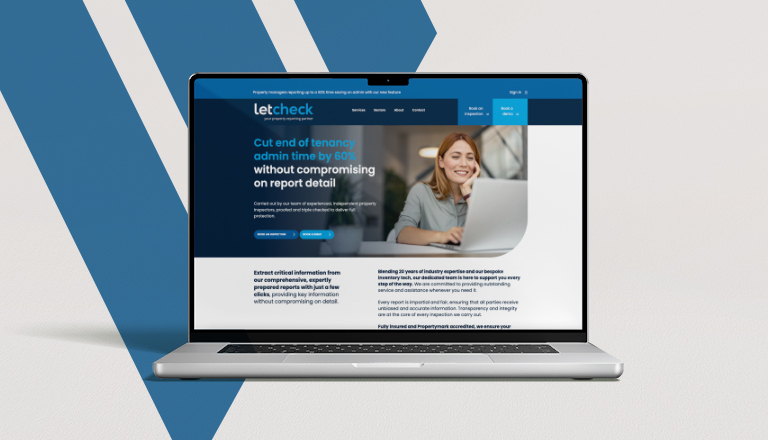
Inventory reports are essential for protecting assets, but the sheer volume of data makes them time-consuming and difficult to interpret. LetCheck identified this challenge and turned to GoTripod for a custom-built SaaS platform that could simplify the process without compromising detail.
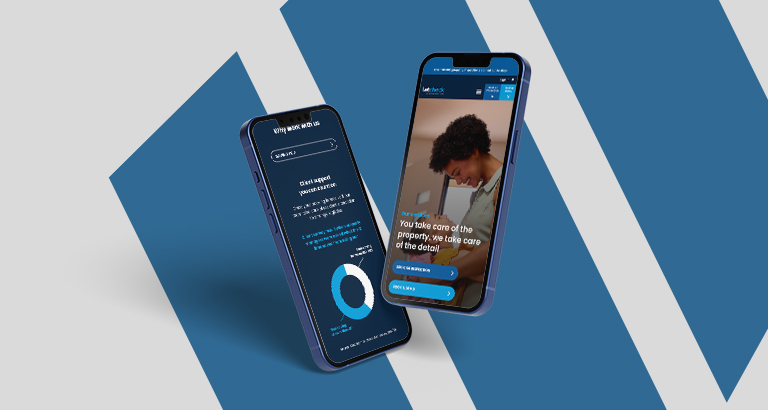
Through close collaboration, GoTripod designed and developed a solution that transforms complex property data into clear, editable reports.
This innovation empowers letting agents and corporate landlords to make faster, smarter decisions, streamlining workflows and improving transparency across the board.
The Impact
- Efficiency: Cuts down time spent analysing inventory data.
- Clarity: Converts detailed property information into actionable insights.
- Innovation: Introduces a first-of-its-kind reporting platform for the property sector.
In short, the app cuts end-of-tenancy admin by 60% with zero loss of detail.
What It Means to GoTripod
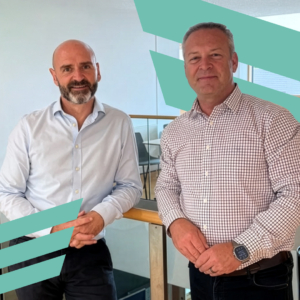
Simon Ashley, Founder of GoTripod commented:
Being an integral part of LetCheck’s digital transformation journey has resulted in a true partnership, creating an impactful software solution which has had a far-reaching impression on the letting industry as a whole.
“Truly collaborative projects like this fully reflect our purpose, core values and ethos at GoTripod.
Glowing Testimonial
Adrian Kelly, Director at LetCheck, added:
By partnering with Simon and the GoTripod team, we’ve built a platform that turns complex property data into clear, actionable insights.
“The result? Beautiful, editable reports that make decision-making effortless. It’s a genuine first for our industry, and it’s transforming how property management gets done.
Discover the full LetCheck case study.
Ready to Innovate?
Discover how GoTripod can help your business innovate with custom SaaS solutions.
Contact us today to start your digital transformation journey.
How custom software development can help mitigate the risk of cyberattacks
Cybersecurity is a big deal for all businesses. The risk of cyberattacks and data breaches looms larger than ever over us all. We’re all aware of the chaos and mayhem cyberattacks and data breaches cause to companies and their customers (think CrowdStrike & TfL in 2024 alone). Not to mention the financial and legal fall out.

Organisations of all sizes face an evolving threat landscape, where malicious players continuously seek to exploit vulnerabilities in software systems. For businesses striving to protect sensitive data, maintain customer trust and comply with stringent regulations, robust cybersecurity measures aren’t optional – they’re essential.
Custom software development is a simple, but powerful way to address these challenges head-on.
In tailoring solutions to meet the specific needs of your business, the right custom software partner can implement advanced security measures that mitigate risks and strengthen your organisation’s defences.
At Go Tripod, helping clients with custom software solutions is our happy place. We’ve years of experience providing secure, digital solutions to help businesses grow and thrive in the knowledge that security is addressed both at the outset of development and throughout the software’s life cycle.
There’s no doubt that investing in custom software can safeguard your business from cybersecurity threats. In our experience, here are the main areas which should be addressed with your custom software development partner:
1. Bespoke Security Architecture
Unlike off-the-shelf software, which is built to serve a broad audience, custom software is designed with your unique business requirements in mind. This tailored approach allows developers to incorporate security features specific to your industry and operational needs. By embedding cybersecurity into the architecture from the ground up, custom solutions minimise vulnerabilities that hackers commonly exploit on generic platforms.

2. Regular Updates and Maintenance
One of the leading causes of data breaches is outdated software. Custom software developers often provide ongoing support and updates to ensure your system stays resilient against emerging threats. With proactive maintenance and timely patches, your software remains secure, reducing the risk of vulnerabilities being exploited.
Working with an experienced software development agency like Go Tripod takes the pain and worry out of keeping up with emerging threats away from you. That’s what we do as part of our on-going support, leaving you to do what’s important to you – running your business!
3. Reduced Attack Surface
Off-the-shelf software is widely used, making it a frequent target for hackers who can exploit known vulnerabilities at scale. Custom solutions, on the other hand, have a smaller user base and are built with unique configurations. This specificity makes them less appealing and harder for attackers to breach, as they require more effort to analyse and exploit.
4. Advanced Encryption and Authentication
Custom software enables the integration of advanced encryption protocols to protect sensitive data. Additionally, businesses can implement tailored authentication mechanisms, such as multi-factor authentication (MFA), biometric verification, or role-based access controls. These measures prevent unauthorised access and significantly enhance your system’s overall security.
5. Compliance with Regulatory Standards
Different industries are subject to various regulations, such as GDPR or PCI DSS, which mandate strict cybersecurity practices. Custom software can be designed to ensure full compliance with these standards. By adhering to industry-specific requirements, your business avoids potential fines and legal consequences while demonstrating a commitment to data security.
6. Proactive Threat Detection
Custom software solutions can incorporate sophisticated monitoring tools and threat detection systems to identify suspicious activity in real time. With early detection capabilities, businesses can respond swiftly to potential breaches, mitigating damage and minimising downtime.
7. Integration with Existing Security Frameworks
Every organisation has a unique technology ecosystem. Custom software can seamlessly integrate with your existing security tools, such as firewalls, intrusion detection systems, and security information and event management (SIEM) solutions. This interoperability strengthens your overall cybersecurity by creating a unified defence strategy.

8. Enhanced Employee Training and Awareness
Custom software isn’t just about technology; it’s also about empowering your workforce. Developers can incorporate user-friendly features and training modules to educate employees about best practices for cybersecurity. A well-informed team is often the first line of defence against phishing attacks, malware, and social engineering tactics.
Why Partner with a Custom Software Development Company like Go Tripod?
Cybersecurity risks are a growing concern, but businesses don’t have to face them alone.
Custom software development offers a proactive and tailored approach to building robust, secure systems that protect your organisation’s data and reputation. Whether you’re looking to enhance your current security measures or develop entirely new solutions, investing in custom software is a strategic move to stay ahead of cyber threats and, dare we say it, your competitors.

Collaborating with a custom software development company ensures that you benefit from expert guidance and the very latest technologies. Experienced developers bring a deep understanding of the latest cybersecurity trends and threats, enabling them to craft solutions that are both innovative and secure. By partnering with the right provider, you gain access to a team dedicated to safeguarding your business against the ever-changing cybersecurity landscape.
We’d love to be part of your next software development project. Get in touch to learn how our custom software development services can help you achieve unparalleled cybersecurity.
The importance of a technology strategy
Creating a technology strategy for your small to medium enterprise (SME) is crucial for staying competitive and driving sustained and successful growth.
As we embark on a new year, here are some top tips to help you get started in 2025:
1. Understand Your Business Goals
Align your technology strategy with your overall business objectives. Identifying how technology can support your goals, whether it's improving customer service, increasing operational efficiency or expanding into new markets is a great place to start.
And if taking that first step feels a little daunting, that’s fine and completely understandable. Many SMEs don’t have the in-house experience in IT/Technology, but partnering with a software development company with both strategic and tactical experience in the tech space is an excellent starting point.
2. Assess Your Current Technology
Conduct a thorough assessment of your existing technology infrastructure; a kind of Technology SWOT analysis. Identify what’s working well – your strengths, what could do with some TLC to improve – your weaknesses and where you feel you have gaps in your technology. This will help you understand what needs to be upgraded, replaced, or integrated.
This exercise will provide half of your SWOT data; for internal factors. We’ll look at external factors which represent opportunities and threats as we move through the rest of this article.
3. Define Your Vision and Objectives

Clearly define what you want to achieve with your technology strategy. Set specific, measurable, achievable, relevant, and time-bound (SMART) goals. It’s likely that you’re not going to have the resources or budget to do everything at once, so really think about the sequencing of adopting new technologies, improving cybersecurity or enhancing data analytics capabilities.
Which are the most important and offer the most benefit to your business?
4. Prioritise Initiatives
As we’ve started to cover in point 3 above, not all technology initiatives can be implemented at once. So prioritise your projects based on their potential impact and alignment with your business goals. Focus on quick wins that can deliver immediate benefits and build momentum for larger projects. But also have an eye on medium and longer term projects which deliver improvements and efficiencies to your business over time and will be important for sustained growth.
This again is an area where Go Tripod have bags of experience. We’ve worked with many companies from a wide range of industries and helped them align their tech strategy with business objectives for sustained and successful growth.
5. Budget Wisely
It may sound obvious, but always allocate a realistic budget for the technology initiatives you want to invest in. Consider both initial costs and ongoing maintenance expenses over the lifetime of the tech and look for cost-effective solutions that provide the best return on investment.
Bear in mind that this may not be an off the shelf tech solution. In many cases a bespoke or custom software solution may give you better efficiencies and be more cost effective in the long run. And, at Go Tripod, we love nothing more than a custom software project. We love working with you and your team to fully understand your business processes, in order to build beautiful digital products for you and your customers.
6. Engage Stakeholders
Involve key stakeholders from different departments in the planning process. Include end users, include customers, if appropriate, and include your business leadership team. All of their inputs and buy-ins are crucial for the successful implementation of your technology strategy.

In doing so, you’ll ensure that everyone understands the benefits and is committed to the changes. This’ll make the often tricky to navigate change management element of your projects far more plain sailing.
7. Focus on Cybersecurity
This is a whole subject in its own right and represents one of the main external threats to your business, but cybersecurity should always be a top priority. Every business should implement robust security measures to protect data and systems from cyber threats. Security protocols should be reviewed and updated regularly and you should look to provide training to employees on best practices.
This is another area that often sends shivers up the spines of SME leaders, but again we have wide ranging experience and options available here to protect your systems and data.
8. Leverage Custom Cloud Based Solutions
Cloud based platforms offer scalable and cost-effective solutions for SMEs and often a solution which is customised specifically to your business processes will offer additional efficiencies.
And what an opportunity this presents to your organisation for 2025 and beyond!
Migrating to cloud-based services for data storage, software applications and collaboration tools may even give you an edge over your competitors. This can improve customer experience, as well as enhancing flexibility and reducing technology costs.
9. Invest in Training and Support
Training your teams when new systems are implemented will ensure they are well-equipped to use new technologies. However, this shouldn’t be the end of the training process. Providing regular refresher training and ongoing support will help your teams continue to maximise the benefits of new tools and systems.
And when you collaborate with a software development agency like Go Tripod, that’s all part of the on-going relationship. Whether you have new starters, people who’ve changed their roles or just need regular training updates, we’ll support you.
10. Monitor and Review

As with all business functions, regularly monitoring the progress of your technology initiatives will give you the feedback and data you need to continuously improve. Using key performance indicators (KPIs) to measure success will help you identify those areas for improvement and adjust your strategy in order to stay aligned with your business goals.
Wherever you are on your pathway to executing a successful tech strategy, we’d love to work with you. We can create digital products for you, whether it’s a bespoke website, a web-based platform or a mobile app which will help drive your business forward.
We can even go a step further with our 'CTO as a Service' offering and step in and act as your CTO on a part-time or project basis; something which is of great value to SMEs not wishing to go the whole hog with a full time CTO at this point in time.
Please drop us a line if you think we can help you with your 2025 tech strategy or digital transformation projects.
We’d love to work with you and help you unlock your company’s next phase of growth.
To get in touch today simply email hello@gotripod.com, call us on 0845 475 2487 or complete the form below.
Choosing the right custom wordpress web development company: a catalyst for business growth
Every business needs a strong online presence. It’s not an option - it’s essential.
Your website serves as the cornerstone of your digital identity and, for many businesses, WordPress is the platform of choice. With its flexibility, scalability and user-friendly interface, WordPress powers over 40% of the websites globally.
And with the right expertise, a WordPress website can give you a powerful online tool which will fuel your business growth.
But unlocking that potential requires the know-how of a custom WordPress web development company and choosing the right partner is more than a technical decision…
It’s a strategic one.
Not only do you need a supplier who can deliver the website with the look, feel and functionality you require, you need them to have a development team who fit right in with your people and understand your business.
So, in this post we’re outlining in six simple steps how selecting the right custom WordPress web development company can be a catalyst for sustained and successful growth for your business.

- Tailored Solutions for Unique Business Needs
Every business is unique and so are its needs. A custom WordPress web development company will develop solutions that align with your organisation’s specific goals and challenges.
A custom site negates the need for generic templates or clunky plugins and you’ll get a website built to reflect your brand’s personality and meet your unique objectives.
This level of customisation ensures your website offers its visitors an experience that sets you apart from your competitors, whether you’re an e-commerce site, looking to generate leads or require a log in area for technical data access.
2. Enhanced User Experience (UX)
A great website isn’t just about looking good – it needs to be intuitive and functional.
Professional WordPress developers focus on creating seamless navigation, fast-loading pages and mobile-friendly designs that make a real difference to how visitors feel about your site.
A top notch UX keeps visitors engaged, reducing bounce rates and encouraging conversions. The right development company ensures that your website delivers an experience that meets your audience’s expectations while supporting your business goals.
3. Improved Performance and Security
Performance and security are non-negotiable in today’s online landscape. Slow-loading websites frustrate users and drive potential customers away, while weak security measures can expose your site to hacking and data breaches.

A reputable WordPress development company optimises your website for speed and reliability. They also implement robust security measures, such as secure coding practices, SSL certificates, and regular updates, to safeguard your site and build customer trust.
4. Scalability for Future Growth
The chances are you’re looking to grow your business over time, so your website needs to grow with it. A custom WordPress development company will ensure your site is scalable and adaptable. Right at the beginning of any website development project, they should sit down with you and ascertain your overall goals and engage with all the project’s stakeholders in the project discovery phase.
At Go Tripod, we love this phase. It’s a chance to really get to know each other and form the beginnings of a great partnership – even before we’ve written any code!
In the longer term the ability to scale as your organisation grows is invaluable. Whether you’re adding new features, launching an e-commerce store, or expanding into international markets, a properly designed and built custom WordPress website will evolve with your business needs, reducing the need for costly overhauls and redesigns.
5. SEO Optimisation for Visibility
You might think that having a beautiful, functional website is the number one priority, but if nobody can find it, it’s not doing its job for you.
Experienced WordPress developers build SEO-friendly websites from the ground up, incorporating clean code, optimised metadata and mobile-responsive designs that align with search engine algorithms.
They also ensure your site integrates seamlessly with analytics tools, enabling you to track performance and refine your digital marketing strategies over time. With improved visibility, your business will attract more traffic and routinely convert visitors into loyal customers.
6. Dedicated Support and Maintenance
The right development company doesn’t just build your website and leave; it offers ongoing support to ensure your site remains up-to-date and performs at its best.
From troubleshooting issues to implementing new features, dedicated support ensures your website continues to drive growth long after its launch. This proactive approach minimises downtime and keeps your digital presence strong.
This is really important to us here at Go Tripod. We see the building of your website as just the start of a long and fruitful partnership.
In short, investing in the right custom WordPress web development company should be viewed as a partnership and an investment in your business’s future. A carefully selected partner with the right experience and software development skills will provide the expertise, tools and strategies to turn your website into a powerful growth engine.

By tailoring your site to your business objectives, optimising user experiences and ensuring scalability, the right partner helps you stay ahead of the competition and thrive in an ever-evolving digital landscape.
And that’s exactly what we do day in, day out at Go Tripod and we love it!
We’ve built some beautiful custom WordPress sites, with some awesome features to ensure our customers’ customers get the best possible experience. We take the time to get to know you and your business to ensure the launched product elevates your business and drives your desired growth.
We’d love to be part of your custom WordPress development project.
Get in touch today and let’s see how we can custom-build a beautiful website for you that will be impactful and help your business grow…
Simply email hello@gotripod.com, call us on 0845 475 2487 or complete the form below.
The importance of the project discovery phase in custom software development
Kicking off a custom software development project is an exciting, yet often formidable, prospect. While it presents your business with the opportunity to innovate, introduce workflow efficiencies and improve user and customer experience ratings, it needs to be done utilising proven frameworks and processes in order to maximise its probability of succeeding. However, one crucial early step that often gets overlooked or underestimated is the project discovery phase.

It’s a fundamental phase which lays the groundwork for the project’s overall success, minimising risks and setting the stage for the launch of an impactful, cost-effective digital product.
And, here at Go Tripod, it’s a phase we take extremely seriously, both from a technical perspective and a customer relationship point of view. It’s a mutually beneficial step which sets the scene and enables us to get to know your team as we outline what exactly your software solutions will look like, even before a single piece of code has been written.
So, what is the Discovery Phase?
The discovery phase is the initial step in the software development process, where developers, stakeholders and users collaborate to thoroughly understand the project's objectives, scope, and potential challenges. It involves gathering information, defining requirements and creating a strategic plan that aligns with both business goals, budget and technical constraints.
Why is the Discovery Phase important?
- It clarifies the project vision and objectives
The discovery phase helps everyone involved clearly define the project's purpose and desired outcomes. Through project discovery workshops, interviews and good old-fashioned brainstorming sessions, stakeholders can articulate their expectations and align on a shared vision. This clarity prevents misinterpretations and misaligned objectives that could derail the project at a later stage.
- It identifies key requirements early in the process

Clear, comprehensive gathering of requirements during the discovery phase ensures that the development team understands both the functional and non-functional requirements of the project. This means detailing what the software must do (e.g.process data, integrate with existing systems) and how it must perform (e.g. speed, reliability). Identifying these requirements early on helps in shaping the development roadmap, reducing scope creep and unforeseen feature requests.
- It mitigates risks and challenges
Every project has potential hurdles which will need to be overcome. The discovery phase helps teams pre-emptively identify technical challenges, potential compliance issues and user experience (UX) pitfalls. By acknowledging these challenges early, teams can develop strategies to address them, leading to fewer disruptions during later stages of development.
- It ensures budget and timeline accuracy

One of the most common reasons projects run over budget or beyond their deadlines is a lack of thorough planning. Period.
The discovery phase provides a realistic assessment of time, resources and budget. In understanding the full scope and intricacies of the project upfront, developers can set accurate timelines and budgets that stakeholders can rely on.
- It strengthens stakeholder buy-in and communication
Engaging stakeholders during the discovery phase builds trust and ensures that all voices are heard right from the off. This collaborative approach helps mitigate future conflicts by ensuring that everyone has a comprehensive understanding of the project’s goals and constraints from the beginning. When stakeholders feel involved and informed, they are more likely to stay engaged and supportive throughout the project.
- It creates a blueprint for development
The discovery phase often results in tangible outputs like wireframes, prototypes, user journeys and technical documentation. These elements act as blueprints that guide the development team through the building process, ensuring consistency and adherence to the initial plan.
This is akin to constructing a building with detailed architectural plans versus going in blind; having a map reduces the chances of costly rework and redesign.
Six steps in the Discovery Phase
- Initial consultation and goal setting
The process begins with in-depth discussions between the software development team and stakeholders to understand the business's goals, pain points and expected outcomes.
We love this time at Go Tripod!

It’s a time when we can really get to know your team, seek out what really makes you all tick and what you and your customers really need from the project. And we’re pretty sure, you’ll enjoy this time with us too. We might be software developers, but we’re an amiable bunch with over 15 years’ experience of business processes in all areas, as well as writing code.
- User Research
To design software that meets user needs, it's essential to gather input from the end-users themselves. Again, this is a really insightful and enjoyable part of any project where we conduct interviews, surveys and user testing, which can reveal areas that have an impact on design choices and features.
- Technical Feasibility Analysis
Evaluating the existing technical landscape and determining how the new software will integrate with current systems ensures that there are no surprises once development begins.
Our extensive experience and appetite to continuously learn mean that we’ll be able to utilise the most current and technical platforms and tools.
- Scope Definition
Clearly defining what will be included in the project (and just as importantly, what will not) helps maintain focus and prevent scope creep.
- Prototyping and Wireframing
Visualising the software’s functionality and flow with wireframes and prototypes helps stakeholders and developers align on user experience and overall design before investing significant resources in the full development phase.

- Documentation
The output of the discovery phase is detailed documentation that serves as a roadmap for the entire project. This includes specifications, risk assessments, budget estimates and timelines.
Benefits Post-Discovery Phase
With a thorough discovery phase completed, development teams can enter the design and build stages with confidence. They have a roadmap that guides decision-making, a deep understanding of user expectations and strategies in place to tackle potential challenges. This preparation leads to fewer revisions, a more streamlined development process and ultimately, a beautiful custom-built software product that aligns closely with client needs and performs reliably.
Right back at the beginning of this article we said that the discovery phase of a custom software project is often an area which is overlooked or underestimated.
So, what are the common pitfalls of skipping the discovery phase?
Not something we would ever recommend or do at Go Tripod, but projects that bypass the discovery phase often suffer from:
- Scope Creep: Undefined requirements can lead to constantly changing project goals.
- Budget Overruns: Without an accurate budget from the start, costs can spiral out of control.
- Delayed Timelines: Development teams may encounter unexpected challenges that could have been foreseen with better planning.
- Dissatisfied Stakeholders: A lack of clear communication and engagement early on can lead to disappointment when the final product does not meet expectations.
In conclusion, the discovery phase of a custom software development project is not just a preliminary step— it’s the foundation of a successful project.
Investing time and resources in this phase saves money, reduces risk and creates a strong blueprint that guides the development process. For any business looking to develop custom software, prioritising the discovery phase is a strategic move that pays off in the long run.
By fostering better alignment, informed decision-making and comprehensive planning, the discovery phase ensures that your custom software project delivers the value your business needs, on time and on budget.
We’d love to kick off your next software development project together.
Get in touch today and let’s see how we can build some beautiful software for you that will be impactful and help your business grow…
Simply email hello@gotripod.com, call us on 0845 475 2487 or complete the form below.
10 signs your business needs custom software solutions
Are you struggling with off-the-shelf software solutions? Do they have limitations that you feel are holding your business back and hindering growth and productivity?
The rewards in efficiency and innovation offered by custom software solutions might just be what you’re looking for to gain advantage over your competitors.
In this blog post we’ll outline 10 signs that your business might need custom software solutions to continue to grow and thrive:
1. Limited Scalability with Current Solutions
As your business grows, so will its digital requirements. If you find that your current software can’t keep up with the increased workload or doesn’t scale efficiently in order to handle more users and/or data, a custom software solution could ease your pain.
Bespoke software solutions are tailored to scale seamlessly as your business expands, ensuring no disruption to your operations.

2. High Dependence on Manual Processes
Repetitive manual tasks, such as data entry or updating spreadsheets, can be time-consuming, prone to errors and, let’s face it, dull! If your business operations rely heavily on manual processes, this is a clear sign you need automation.
A custom software solution can streamline your workflows, reduce errors and revitalise your team as they’re able focus on more productive activities.

3. Disjointed Systems and Lack of Integration
Many businesses use multiple software applications that just won’t communicate with each other. Switching between platforms or manually transferring data between systems is painful and can easily result in potentially costly mistakes being made.
If you recognise this as a bugbear in your organisation, that’s a good indication that it’s time for a change.
Custom software can integrate disparate systems into a cohesive, efficient platform that promotes better data flow and productivity. Ultimately this offers you a more cost-effective operation and removed bottlenecks, as well as the increased employee satisfaction that a seamless integrated workflow offers your teams.
4. Rising Costs of Licensing and Subscriptions
While off-the-shelf software may seem cost-effective at first, recurring licensing fees and subscription costs can add up quickly, especially as your business grows and you need to add new users.
Custom software solutions do require an initial investment, it’s true, but over time, it can be more cost-effective to have a solution tailored to your budget.
5. Lack of Specific Features

Generic software often tries to meet the needs of many, but rarely fits any one business perfectly; a kind of digital ‘Jack-of-all-trades’ but ‘Master of none.’
If you find yourself wishing that your current tools had certain features that cater to your specific business model, it’s a strong indicator that custom software development could be beneficial.
A bespoke solution will include the exact features you need to optimise your business workflows, whilst leaving out any unnecessary extras or superfluous functionality.
And here’s where we step up.
At Go Tripod we take the time right at the outset of every project to understand your business workflows and goals. We look at the current limitations you’re juggling and we’ll sit with your team and really get to the bottom of what you need before we even think about writing any software code.
We’re an amiable crew of expert software developers experienced in a wide range of business sectors who fit into just about any environment to ascertain the best solution for your unique position.
6. Security Concerns
If your business deals with sensitive information, the security of that data is paramount. Custom software can provide tailored security measures that meet industry standards and protect your data better than generic solutions.
In today’s world where we’re ever more aware of the impact of cyberattacks, the ramifications of software bugs and the risks of data breaches, choosing an experienced software development agency is paramount to ensure your platform is robust and secure.
This is important for all businesses, but the stakes are particularly high for those in healthcare, finance, or any sector dealing with confidential customer data.
Our development team operate in an environment of continuous improvement and the desire to learn, constantly keeping up to date with advances and improvements in security and data protection.
7. Inadequate Customer Experience
Today’s customers expect a fast, seamless, personalised experience with your organisation and brand.

If your current software doesn’t support the customisation needed to enhance customer experience or if your business processes are too slow and cumbersome, a bespoke software solution will boost customer experience and bolster your competitive edge in the marketplace.
Whether it’s a tailored customer portal or improved service delivery tools, customised solutions can improve client satisfaction and retention rates, as well as elevating your brand’s value and image.
8. Difficulty in Reporting and Analytics
Good business decisions are data-driven and never more so than in today’s fast moving digital world, where the ability to collect data is seemingly endless. But extracting actionable insights can be challenging if your off-the-shelf software package lacks robust reporting features or they’re so darn long-winded to set up that nobody bothers.
Custom-developed software can be built with powerful data analytics and reporting capabilities that align with your business needs, unlocking real-time insights which support strategic planning and ultimately help drive your business growth.
9. High Maintenance Costs
Maintaining and upgrading off-the-shelf software can be expensive and complicated, especially when updates don’t align with your business needs and the system starts to age.
Custom software, on the other hand, gives you control over the timing and specifics of maintenance and upgrades, keeping your solution efficient and up to date without the high costs of generic software upkeep.
10. Poor Adaptation to Unique Business Processes
Every business has its own unique processes and requirements. That’s part of your brand and business’ identity. But if you constantly have to adjust your workflow to fit the capabilities of off-the-shelf software, you’re likely losing productivity, which in turn will impact your brand reputation, customer experience and team satisfaction.
A well-designed custom software platform can be developed around your specific processes, enhancing the natural workflow of your business instead of forcing you to compromise.

And here’s where we make a difference.
After over 15 years of developing beautiful software solutions for a wide range of clients, we offer a grand combination of business and technical ability, which ensures you end up with a solution that looks good, operates seamlessly and gives you the edge you need in today’s competitive marketplaces.
So, if your business is experiencing any of the frustrations outlined above, it may be time to consider custom software solutions.
While custom software development does require an upfront investment, the long-term benefits, such as improved efficiency, scalability, cost-effectiveness, better customer experience and higher employee satisfaction, make it an invaluable asset for any business looking to grow and thrive.
We’d love to be part of your custom software development project.
Get in touch today and let’s see how we can build some beautiful software for you that will be impactful and help your business grow…
Simply email hello@gotripod.com, call us on 0845 475 2487 or complete the form below.
What to expect during the custom software development process
Custom software development can feel overwhelming, especially if you're not familiar with the process. However, understanding the steps involved will help you stay in control and ensure you achieve the best outcome for you, your team, your business and your customers!
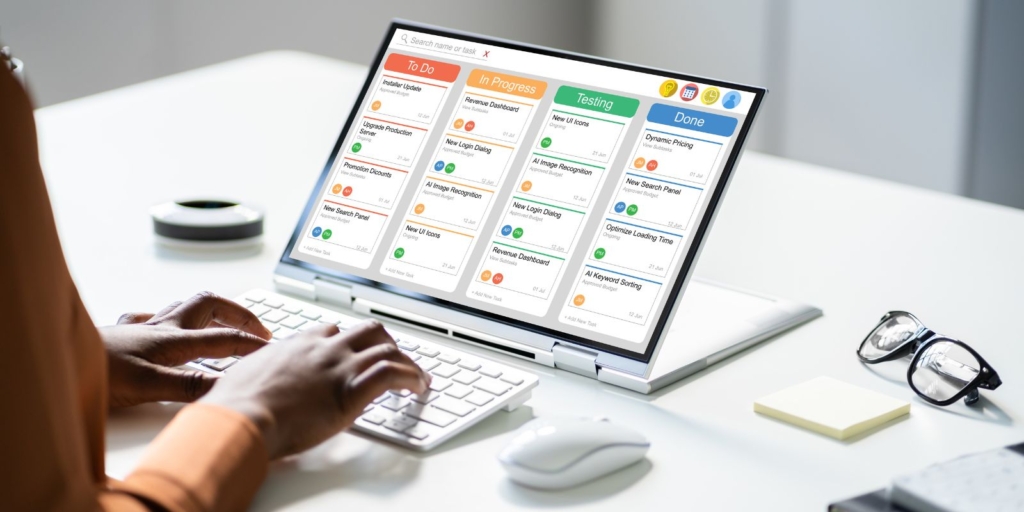
In this post we’ll walk you through what to expect during each phase of a custom software development project, so you can navigate your journey with confidence.
1. Project Discovery - Initial Consultation and Requirements Gathering
The first step in any custom software development project is understanding exactly what you need. You’ll often hear it referred to as ‘Project Discovery’ and it’s the first vital step in laying the crucial groundwork for a successful project.
It should involve all stakeholders and result in the development of a clear roadmap for the project.
And if this is already sounding a little daunting, fear not!
The selection of an experienced software development team, who understand the demands of today’s multifaceted business processes, will start paying dividends even at this early stage.

They really do play a pivotal role, even at this early stage. It’s so important that they have a clear understanding of your goals and the business problems you’re trying to solve.
But it’s also really important to have a good rapport with your software development team right from the start. You’re going to be working really closely with them throughout the project’s lifespan, so you need to select people you feel you can truly partner with.
At Go Tripod we really pride ourselves in this area. As well as having the development experience and the business acumen to create a tip top software platform for you, we’re a genial down-to-earth bunch who fit into just about any team.
Your chosen development team will kick off by conducting in-depth consultations to gather detailed requirements, which form the foundation for everything that follows.
During this phase, expect the following:
- Stakeholder Interviews: Developers will want to speak to key team members to clarify business needs, pain points, and expectations.
- Business Analysis: Make sure your software development team has someone with clear business experience or a defined project manager to ensure a comprehensive analysis is conducted to understand how the software should align with your business objectives. Put simply you’re looking for a team who can couple market trends with user behaviour and translate that into a successful digital product for your organisation.
- Goal Setting: Clear, measurable goals will be defined, helping guide the development process, assess success and form the basis on on-going monitoring parameters.
2. Planning and Proposal
Once the requirements are understood, the development team will draft a proposal and project plan.

These will typically include:
- Timeline: A rough schedule of development milestones and the overall project timeline.
- Budget: A detailed cost breakdown, including details of any stage payments or milestone triggers.
- Technologies used: Your software development team should provide details of the proposed technologies and platforms that will be used, such as programming languages, frameworks, and hosting solutions.
- Features List/Scope: A comprehensive list of features and functionalities of the software agreed upon during the requirements gathering.
This proposal serves as the go-to document for both you and your development team, ensuring a clear outline of the project’s scope (what’s included and, perhaps more importantly, what’s not!) and expectations moving forward.
3. Design and Prototyping
With a clear plan in place, the design phase can begin.
An experienced software development company will come into its own here.
Expect to see:
- Wireframes: These are basic visual representations of how your software will look, outlining the structure and layout. (Insert GT Example)
- Prototypes: More interactive models that allow you to test and visualize user flows. This stage is essential for user experience (UX) and user interface (UI) design, making sure the software is intuitive and easy to navigate.
You should be looking for a perfect marriage of aesthetics and performance here, to optimise both UX and UI and you should expect to be actively involved in reviewing and providing feedback to ensure the design meets your expectations.
4. Development
This is where the coding begins and the developers really get to work!
The development phase is often broken down into stages:

- Frontend Development: This is the visible part of your application that users interact with (UI/UX).
- Backend Development: This is the "behind-the-scenes" functionality of your software. It includes database interactions, server logic, and any integrations with other systems.
- Agile Methodology: Many developers use an Agile approach, working in short, iterative cycles called “sprints”. But whatever methodology your development team use, you should expect to regularly see progress and have the opportunity to provide feedback.
During this phase, you might not be involved in the technical details, but you should expect regular updates on progress.
5. Testing and Quality Assurance
Before the software is released, it should go through rigorous testing. This ensures that the final product is free from bugs and functions as intended.
Testing includes:
- Unit Testing: This is where individual components or modules of the software are tested for functionality.
- Integration Testing: This testing verifies that different parts of the system work together as intended and, equally, that any integrations with other platforms or systems are seamless.
- User Acceptance Testing (UAT): This is a critical phase, but exciting phase where you and your team get hands-on and test the software in real-world scenarios! Its importance should not be underestimated and you and other key stakeholders will need to be prepared to allocate sufficient time for testing and feedback during UAT.
6. Deployment
Once the software has passed all testing phases, it’s time for deployment. The moment of truth – Go Live - Launch!

The deployment process involves:
- Server Setup: Configuring the environment where the software will ‘live’. This might be a cloud-based system or an on-premises server.
- Data Migration: Moving data from old systems (if applicable) to the new software.
- Launch: Making the software live and accessible to users.
7. Training and Documentation
A key part of a successful software rollout is making sure users are comfortable with the new system. Research shows that the more comfortable users are with software the more successful it will be.
Expect:
- Training Sessions: The extent of the training will depend on the scope and complexity of the system. It may be as simple as a short remotely conducted ‘Teams’ session or it may involve on-site face to face sessions with key stakeholders and their teams facilitating hands-on training to familiarise them with the software’s features, benefits and workflows.
- Documentation: Detailed manuals or guides that explain how to use the software, troubleshoot common issues, and leverage its full potential.
Well-executed training and well written documentation will ensure a smoother transition and higher user adoption rates.
8. Maintenance and Support
Even after the software is live, the development process isn’t completely over. Maintenance and on-going support are critical to address any issues that arise post-launch.
This phase includes:
- Bug Fixes: Addressing any errors or bugs that come to light after the software is in use.
- Updates: Implementing new features or improvements based on user feedback and evolving business needs.
- Technical Support: Ongoing assistance to help with any technical issues or questions your team encounters.
A good development team will offer flexible support plans that suit your needs, from on-call support to regular maintenance updates.
Custom software development is a multi-stage process that requires collaboration, clear communication, and mutual understanding between your business and the team developing the software. By knowing what to expect during each phase — from initial consultation through to deployment and maintenance — you’ll be better equipped to ensure your project’s success.
And by partnering with an experienced development team and staying engaged throughout the process, your business will gain a powerful, tailor-made solution that aligns perfectly with your goals and sets you up for success.
At the top of this post we said we’d walk you through the process of navigating a custom software development project. Well, hopefully, we’ve helped a little in that regard and you have a clearer idea of what to expect.
But it doesn’t stop at a nice blog post for us. Helping our clients navigate bespoke software projects is what we do every day. Our business-minded developers have been doing it for over 15 years and we’d love to help you with your project.
So get in touch today and let’s see how we can build some beautiful software for you that will be impactful and help your business grow…
Simply email hello@gotripod.com, call us on 0845 475 2487 or complete the form below.
A falling knife has no handle - the chef's guide to software development
There are times when I've caught myself working on a problem only to find that I'm repeating myself, circling back round and attempting things I've already tried. Without taking a methodical approach to my work, my focus can become blinkered. To avoid this, I use a combo attack:
- Source control - to track what I've changed
- Automated testing - to track what works and what breaks
- Pomodoro-style techniques - to break out of the loop and take a breath
To put it another way, I try to take a more mindful approach to development.
The phrase "a falling knife has no handle" is appropriate in situations where you are not mindful and instinct takes over. In the case of a falling knife, trying to grab the handle is just as likely to result in you grabbing the blade, with painful results.

The only way to have a good outcome after dropping a knife is to step back, get your limbs well out of the way, and let the knife hit the floor. It's more robust than you are.
Let's apply the spirit of this saying to software development: a bug has entered production and is causing a critical issue with customers. Both data and money could be lost. What do you do?
In these situations, it can be tempting to go old school: connect to the server and hack around until everything starts working.
A good devops setup shouldn't even allow this. But that's a tale for another time.
Or, you might put together a pull request and push it directly to production, bypassing your automated test suite. People are emailing and calling, piling on the pressure for a fix.
While understandable, the hacky fix is rarely the right thing to do, primarily because it might have side effects that aren't apparent in the rush for a resolution. You run the risk of catching the blade, making the original problem worse.
Again, the correct approach is to be mindful of both the urgency and the ramifications of your actions.
At Go Tripod, we provide managed hosting which uses industry-standard tooling, including CI/CD to catch errors before they affect your customers, and to enforce quality checks on any production code. Get in touch if you'd like to know more!