Why photography matters more than ever in an ai world
We’re now surrounded by images that were never photographed, never witnessed, and never existed.
AI can generate faces, places, products and ‘moments’ in seconds. It’s fast, cheap and increasingly convincing. And that’s exactly why real photography has become more valuable, not less.
At GoTripod, we spend our time building digital platforms, websites and software that ambitious organisations rely on. And one thing is becoming very clear:
In a world where almost anything can be fabricated, authenticity has become a strategic advantage.
Photography is no longer a ‘nice to have’, it’s one of the strongest signals you can send that says this is real.
Trust is getting harder
Most people can’t always tell if an image is AI-generated. But they can feel when something is off. We’re entering a subtle trust gap.
Stock imagery already trained people to ignore generic visuals. AI is accelerating that effect:
Perfect lighting. Perfect faces. Perfect spaces. Perfectly forgettable.
When everything looks polished, nothing feels believable. And in digital, believability is everything.
When someone visits your website or platform, they’re subconsciously asking, is this company real? Can I trust them with my time, data or money? Your imagery answers those questions long before your copy does.
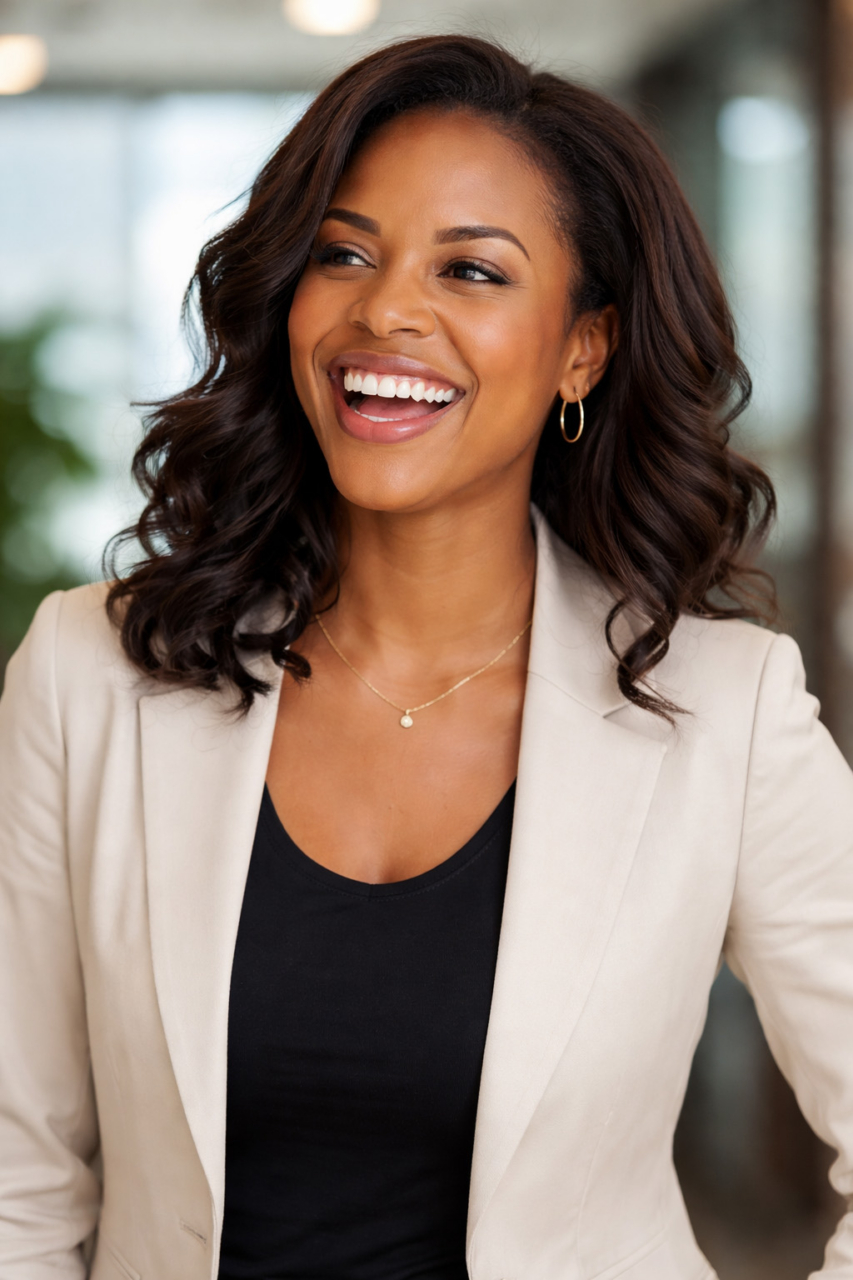
Real images prove real substance
Photography does something AI can’t, it proves existence.
It shows your real people, your real spaces, your real work and your real culture. Not a concept. Not a simulation. Reality.
Authenticity is now a competitive edge
AI is excellent at producing content. It’s terrible at producing credibility. As more brands lean into synthetic imagery, the ones that show real humans and real environments will stand out - not because they’re louder, but because they’re more believable.
Over-produced brand worlds are already starting to feel hollow. “Too perfect” is starting to feel suspicious. Reality is becoming the differentiator.
Photography isn’t decoration. It’s evidence.
Too many businesses still treat photography as a “nice to have”. It isn’t. It’s proof of professionalism, capability, scale and culture. In B2B especially, that proof matters.
- A real team beats a thousand AI-generated “office collaboration” scenes.
- A real workspace beats a fictional one.
- A real customer story beats any abstract visual system.
Photography reduces perceived risk. And in digital, reducing perceived risk is what increases conversion.
The part AI can’t replicate
Great photography doesn’t just show what something looks like. It captures mood, energy, confidence and intent.
Humans read these signals instinctively. You can’t prompt your way to genuine trust.
At GoTripod, we think about this in the same way we think about UX, performance and architecture: Trust is not a layer you add at the end. It’s something you engineer into the experience. Imagery is part of that system.
A thought to leave you with
AI absolutely has a place in modern content production. We use it ourselves where it makes sense. But the brands that win will be the ones who know:
- When to generate
- When to design
- And when to document
Because in a world full of things that look real, being real becomes the strategy.
Let’s talk more
If you’re thinking about how your brand shows up in a world of synthetic content, you’re asking the right questions. Knowing when to use AI, when to design, and when to document real people and real work isn’t always obvious, but it makes a measurable difference to trust, credibility and conversion.
At GoTripod, we help teams make those decisions every day, aligning photography, design and digital experiences so they feel believable, human and real. If you want your platform to earn trust the moment someone lands on it, let’s talk about what authenticity should look like for your business.
Get in touch, we’d love to hear what you’re building.
Gotripod projects make headlines with transformative client success stories
GT have been in the news this week. And for all the right reasons!
We’re thrilled to share that two of our fantastic clients have been featured in the press, highlighting the transformative impact GoTripod’s bespoke software solutions have had on their businesses.
Appearing side by side in this week’s Cornish Guardian, both LetCheck and Finest Retreats shared how their partnerships with GoTripod have delivered game‑changing results.
LetCheck: efficiency through innovation
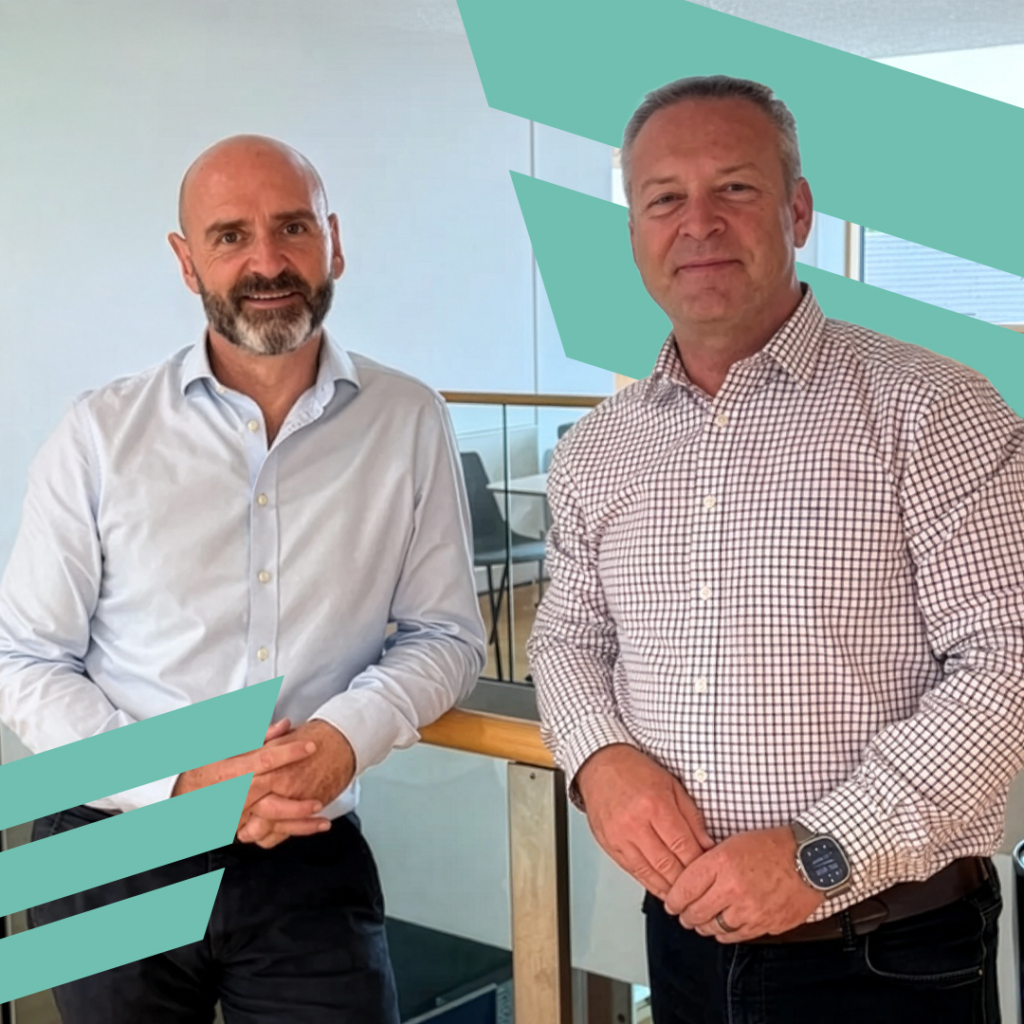
The LetCheck article spotlights the significant time and cost savings generated by their new custom-built GoTripod software system. Designed to simplify the vast amount of data involved in property inventory reporting, the platform streamlines end‑of‑tenancy administration by 60%, converting complex property data into clear, editable reports with ease.
For both LetCheck and GoTripod, this has been an outstanding partnership — one valued highly by leaders Adrian Kelly and Simon Ashley.
You can read an additional Business Cornwall feature on the software solution here.
Finest Retreats: enhancing guest experience through smart integration
Another Cornish success story, Finest Retreats, has also benefited from a strong and collaborative project with GT. Together, we developed a proprietary housekeeper‑management API integration app and supporting web application, fully connected in real time with their property management booking system.
This solution accelerates booking reviews, ensures guest requests are managed proactively, and incorporates essential compliance tools such as fire safety checks and regulatory tracking.
The impact is being felt across the board: property owners can now access photos and video walkthroughs, while Finest Retreats enjoys fewer operational issues and improved guest experiences.
Read the full case study here.
Let's talk
Do you have inefficient processes in your business that could be streamlined and improved with a custom software solution? That's a great starting point for a conversation. We've been helping clients navigate these decisions for over 15 years, and we'd love to help you transform your business too.
Get in touch - We'd love to hear from you.
Why i chose consultancy over a full-time cto role
I've been having the same conversation a lot lately. Friends at the pub, former colleagues, even my mum – they all ask the same thing: "Why didn't you take that CTO job?"
Fair question, really. Over the past couple of years, I've been offered several full-time CTO roles. Good money, proper challenges, the kind of positions that would look impressive on LinkedIn. The sort of thing that, at 55, you're supposed to jump at.
I said no to all of them.
Instead, I'm still here in my little office at the bottom of the garden, running my business (GoTripod), writing code when I fancy it and working with start-ups and scale-ups who need someone to sort out their technical mess – or better yet, avoid making one in the first place.
People think I'm mad. Maybe I am. But let me explain why it makes perfect sense to me.
The long road here
I've been messing about with technology for over 35 years now. I started properly in the mid 80s, building desktop PCs in Bristol, UK when everyone still thought computers were just for big companies. I spent years crawling under desks running network cables, fixing servers (Novell Netware - anyone remember that?) in dusty cupboards, explaining to frustrated users why their email had stopped working again, driving up and down the M4 motorway to swap a failed hard drive in a server at 2am - Fun times.
From there, I worked my way up through field engineering, technical sales, software development and eventually into proper management roles. For the last 15 years, I've been the person making the big technical decisions – building teams, setting strategy, arguing with finance directors about infrastructure budgets and, yes, occasionally staying up all night when everything's gone wrong.
I've built platforms from scratch, scaled systems that started with three users and ended up serving thousands, and hired more developers than I can count. I've sat through enough board meetings to know that "synergy" is usually corporate speak for "we haven't thought this through properly."
But here's what all that experience taught me: the best decisions often come from outside perspective. When you're too deep in the weeds of one company's politics and processes, it's hard to see the wood for the trees.
Why I love what I do now
Working as a fractional CTO or consultant means I get to parachute into interesting problems without all the baggage. No office politics, no legacy decisions from five years ago that everyone's too scared to change, no endless meetings about meetings.
I can have honest conversations about technical debt without worrying about stepping on toes. Sometimes that means gently suggesting that the custom system they've been lovingly maintaining might not be the best use of their time anymore. Often, problems that feel unique and overwhelming have been tackled before – and there's no shame in learning from what others have done. The technical side still fascinates me. I enjoy writing Python, working through database designs, thinking about how APIs should work. Recently I was helping a client with their ISO 27001 compliance (not the most exciting topic, but important), and this week I'm working with one of my clients on a IoT based silo monitoring solution.
The variety keeps me learning. More importantly, it keeps me curious about what comes next.
Life in the garden office
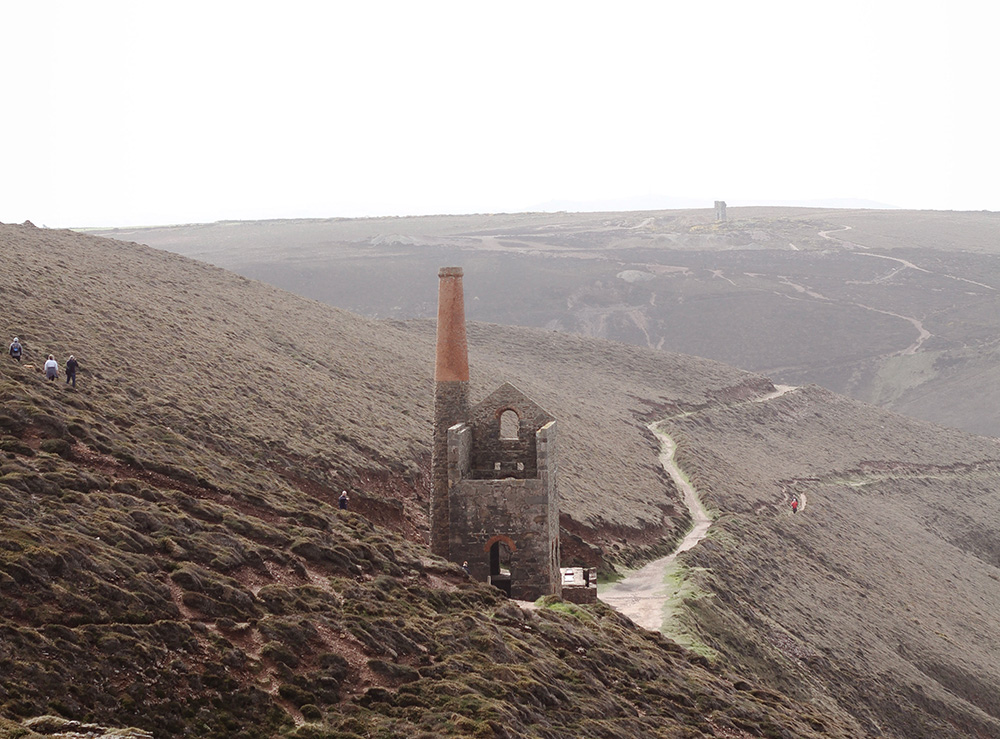
As a remote-first business, we relocated to Cornwall back in 2010 – one of the best decisions we ever made. There's something to be said for working from home down here (though I still split my time between Cornwall and the rest of the UK). I start early, usually around 5am with a proper cup of coffee, and I can hear the birds waking up outside. When I need to think through a tricky problem, there are plenty of jaw dropping and inspiring places I can walk to and let my mind wander.
Try doing that from the 14th floor of a glass tower in Canary Wharf.
My clients benefit too. They get someone who's fully focused on their problems, not distracted by internal company drama. They can scale my involvement up or down based on what they actually need, rather than paying for a full-time executive whether they need one or not.
The tricky bits
Don't get me wrong – being an MD and a fractional CTO isn't always straightforward. Some months are busier than others, and you're constantly juggling multiple clients with different priorities and deadlines. Each business has its own culture, systems, and way of doing things, so you're always adapting.
The responsibility can feel heavy too – when you're advising on critical technical decisions, there's no hiding behind "that's what the consultant recommended" because you are the consultant.
But working again as the MD of GoTripod has changed everything. When challenges come up, we tackle them together as a team. Having people who understand the work makes all the difference – we can bounce ideas around and find solutions none of us would have thought of alone.
Plus, it means I can actually take holidays and there are people handling the marketing and admin bits. Best of both worlds really – all the variety of fractional work, but with proper support.
I recently took overall control of the business again and it's reminded me why I love working with people who share a similar view on life and work. Much better than being another cog in someone else's machine.
What I've learned
If you're thinking about making a similar leap, here's what I wish someone had told me:
Know what problems you actually solve. Clients care about outcomes, not your impressive career history. It took me a while to work out what I'm genuinely good at.
Stay hands-on. Management experience is valuable, but the technology changes so quickly that if you stop doing the actual work, you can lose touch pretty fast. I try to keep coding regularly, even if it's just small projects.
Start small and build trust. One successful project often leads to another. Word of mouth is everything in this game.
Think like a business owner, not a freelancer. You're building something sustainable, not just selling your time by the hour.
Choose your clients carefully. The best ones treat you like a trusted advisor, not just another supplier. Life's too short to work with people who make you miserable.
Why it works for me
Turning down those CTO offers wasn't about avoiding responsibility or taking the easy route. It was about finding a way to do the work I love, with the flexibility I want, at a stage in my life where I know what matters.
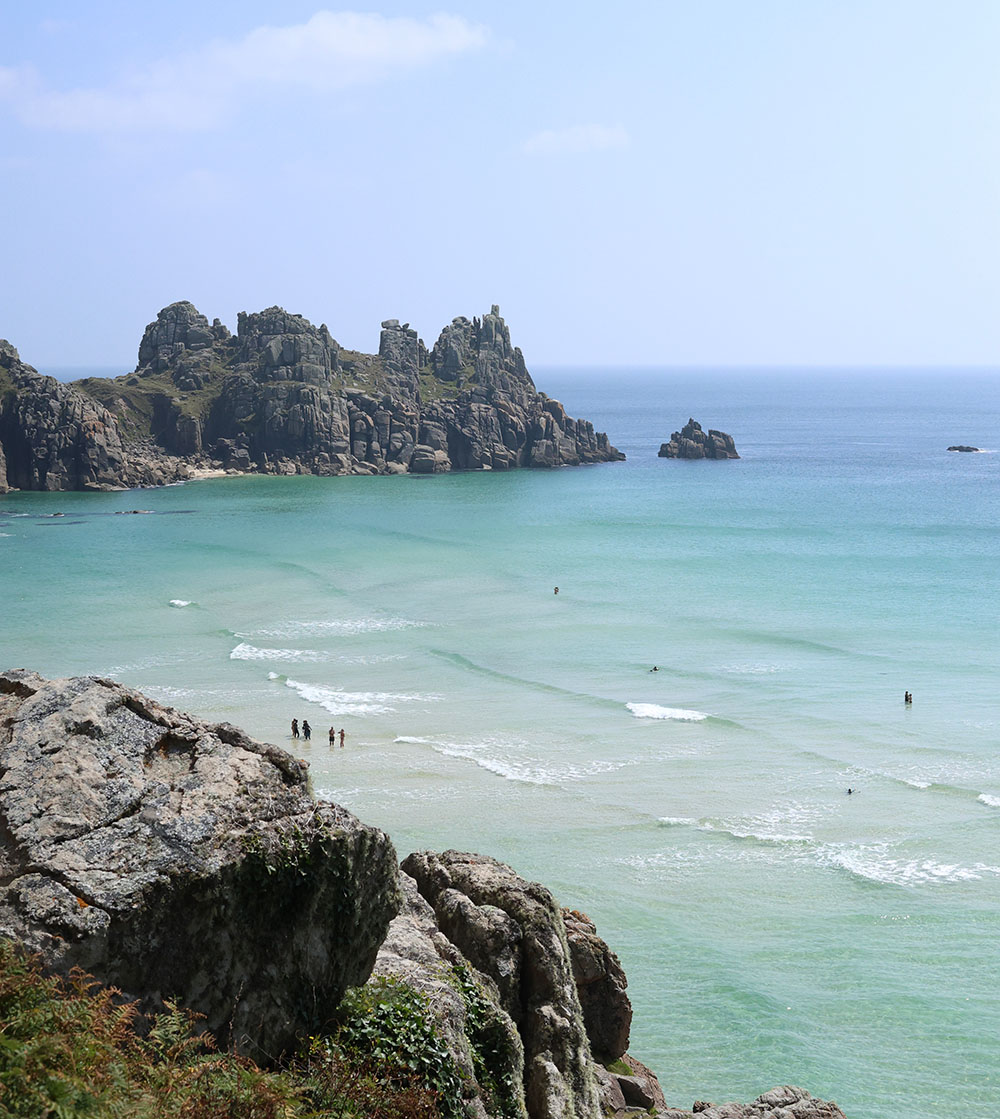
I get to solve interesting technical problems, help businesses grow, and still have time for long walks on the Cornish coast. I can take on challenging projects without the office politics and I can work with multiple companies rather than being tied to just one.
At 55, I've finally worked out what suits me. And it turns out, it's what I'm doing now – even if it took me a while to get here.
If you're a founder or leadership team who could use some experienced technical guidance – whether that's sorting out your architecture, getting compliant with regulations, or just building things properly from the start – drop me a line at gotripod.com I promise I won't try to sell you anything you don't actually need.
Starting fresh: how we've rebuilt gotripod (and why we're rather chuffed about it)
Sometimes you reach a point where you need to take a proper step back, have a good think and rebuild things properly. Sometimes, you're forced to do this. Well, that's exactly what we've done at GoTripod over the past few months, and honestly, we couldn't be more pleased with how it's turned out.
We've just wrapped up what we're calling our "great restructure" mwahahaha though that makes it sound far more corporate than it actually was. Really, it was about getting the right people in the right places, streamlining how we work, and setting ourselves up to do the best work of our lives.
Compact elite team with big ideas
We've always been a boutique digital agency and we're proud of that. There's something brilliant about being small enough (we are, at last count, 15 extraordinary people) that everyone knows everyone, but skilled enough to tackle proper challenges.
Our recent changes have made us even more focused on what we do best: building software and systems that actually work for real people.
The restructure has brought together some genuinely talented folks from different backgrounds and disciplines. We've got our core team working more closely than ever, plus a network of brilliant freelancers who are very much part of our extended family of experts who passed rigorous selection and all share the same high standards.
New teams, new possibilities
As part of this new chapter, we’ve launched a brand-new digital studio team. This crew brings design thinking, UX strategy, and content expertise right to the forefront and we’re making it available directly to our clients. It’s a flexible, collaborative model that lets us embed deeply with your project and deliver beautiful, usable, and thoughtful digital experiences.
And that’s not all...
We’ve also added a dedicated mobile app development team to our offering. Whether it's native, cross-platform, or progressive web apps, we now have the in-house capability to take mobile-first ideas from sketchpad to App Store (or Play Store, if you’re one of those people).
Why we're growing (and what that actually means)
Growth for the sake of growth is a bit pointless, isn't it? We're expanding because our clients keep coming back and bringing their mates along. That's the kind of growth that matters: the sort that happens because you're doing good work, not because you're shouting the loudest (which we loathe to do, but our marketing team say we should!).
We’ve been particularly busy in AgriTech, compliance systems and IoT device monitoring, areas where getting it wrong isn't just annoying, it's properly expensive. Our clients trust us with the important stuff, and that responsibility drives everything we do.
More capacity means we can take on more interesting challenges and spend proper time getting them right. No rushing. No cutting corners. Just thoughtful, well-crafted solutions.
What we stand for
All this change hasn't shifted our core beliefs one bit:
- Great people do great work and we would rather have a small team of brilliant people than a large team of average ones. We invest in our people because when they succeed, everyone wins.
- We think long-term and build for keeps. We're not interested in quick fixes or flashy features that fall apart after six months. We build things that last and grow with your business and this goes for our relationship with you too!
- Practical innovation. We love new technology, but only when it actually solves real problems. We're not here to use the latest framework just because it's trendy. But yes, we do use and advocate AI before you ask.
What's next?
We're genuinely excited about what's coming next. We’re working on some fascinating projects, expanding our team thoughtfully, and always looking for new challenges that get us out of bed in the morning.
If you're working on something interesting and think we might be a good addition, do get in touch. We love a good chat about tricky problems and elegant solutions and we drink coffee, if you fancy some too.
This is GoTripod in 2025: relaunched, experienced, focused and ready for whatever comes next. And frankly, we can't wait to show you what we can do.
Fancy a chat about your next project? Drop us a line – we'd love to hear what you're working on.