GoTripod News / Software
Transformation from every angle
The hidden environmental cost of legacy software systems
When we talk about sustainability in tech, the conversation often focuses on hardware, of energy-hungry data centres, inefficient old devices, and e-waste. But there’s another culprit lurking in the background quietly contributing to our carbon footprint: legacy software systems.
Why legacy systems are a problem
Older software wasn’t built with energy efficiency in mind; it was often the game changer of its time, negating the need for long time-consuming paper trails and hours of exasperating head scratching.
These systems characteristically:
- Run on outdated infrastructure that consumes more power.

- Require excessive processing resources due to bloated code and inefficient algorithms.
- Depend on older hardware, which lacks modern energy-saving features.
The result? Higher energy consumption, increased cooling requirements, and a bigger environmental impact.
The ripple effect
Legacy systems don’t just affect your internal operations, they impact your entire digital ecosystem:
- Data centres under strain: Inefficient software demands more server power, increasing energy use.
- Slow performance = more energy: Longer processing times mean more electricity consumed per transaction.
- Maintenance overhead: Frequent patches and manual interventions add to resource waste.
Real-world examples
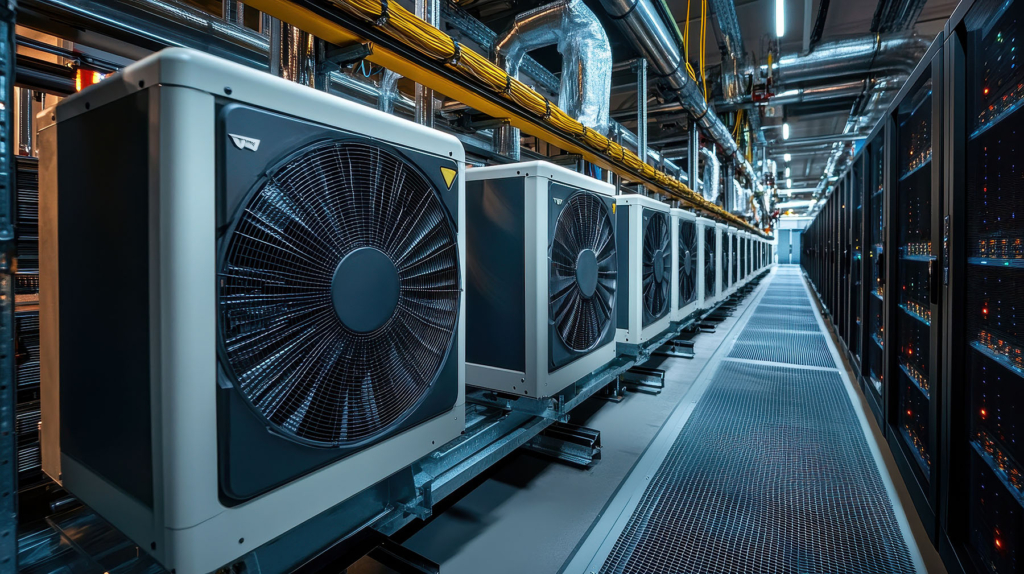
Consider a financial institution running a decades-old mainframe system. These machines can consume up to 10 times more energy than modern cloud-based solutions. Multiply that across thousands of transactions daily, and the carbon footprint skyrockets.
Here are some hard-hitting statistics that reveal the real-world impact:
- The ICT sector, which includes legacy software and outdated infrastructure, currently contributes between 2.1% and 3.9% of global greenhouse gas emissions and that could climb to 14% by 2040, approaching half the emissions of the global transport sector. [opensourcerers.org], [arxiv.org]
- Data centres, often burdened by inefficient legacy software, are responsible for around 1% of global energy-related greenhouse gas (GHG) emissions, with electricity consumption expected to double by 2026. [weforum.org], [parkplacet...logies.com]
- What’s more, data centre emissions are projected to triple by 2030, reaching approximately 2.5 billion tonnes of CO₂ annually. That’s driven largely by inefficient legacy systems and accelerating AI demand. [sustainabi...itymag.com]
- Lastly, 43% of US data centre electricity is consumed purely for cooling inefficient legacy servers, a huge indirect drain on energy resources. [sustainabi...itymag.com]
These figures expose an uncomfortable truth; hanging onto outdated software systems doesn't just hurt productivity, it significantly damages the planet.
The business case for modernisation
Upgrading isn’t just about speed and security, it’s about sustainability.
Modern systems:
- Use cloud-native architectures that scale efficiently.
- Employ optimised code to reduce processing power.
- Run on green hosting platforms, powered by renewable energy.
How GoTripod can help
At GoTripod, we specialise in:
- Custom software development to replace outdated systems with lean, efficient solutions.
- Full-service digital marketing services that prioritises eco-friendly practices.
- Lifecycle planning to ensure your digital assets remain sustainable long-term.
Final thoughts
Legacy systems may feel familiar, but they come with a hidden environmental price tag. By modernising, you’re not just future-proofing your business, you’re helping the planet. But, it’s not just about agility or cost, it’s an urgent ecological necessity.
If you'd like to find out more about replacing legacy software or apps to modernise your business and reduce your carbon footprint, let’s talk. No pressure. No jargon. Just a smart, down to earth conversation about what matters.