GoTripod News / Software
Transformation from every angle
Authenticity and human connection in digital design
In a world dominated by automation and AI-driven experiences, the brands that stand out aren’t the ones shouting the loudest. They’re the ones speaking the truth. Authenticity and human connection aren’t trends, they’re timeless principles that matter more than ever
Why authenticity matters

Authenticity is the foundation of trust. When a brand feels real, people lean in. They believe what you say, engage with what you create, and stay loyal when competitors try to lure them away.
In design, authenticity shows up in the details: the tone of your copy, the honesty of your imagery, and the clarity of your user experience. Consumers today are hyper-aware. They can spot generic templates, stock photos, and hollow messaging from a mile away. They crave brands that feel human, brands that share values, admit imperfections, and communicate with clarity and confidence.
Psychological insight: People are wired to seek patterns that feel familiar and safe. Authentic design taps into this by using real-world cues, natural language, relatable imagery, and consistent visual systems, to reduce cognitive load and build trust. This is cognitive ease in action: when something feels simple and intuitive, it feels right.
Human connection in a digital world
Technology has made it easier to reach people, but harder to truly connect. Automated emails, AI chatbots, and algorithm-driven feeds often strip away the warmth of human interaction. That’s why design must do more than look good, it must feel good. It should create moments of empathy, spark dialogue, and remind users that there are real people behind the pixels.
Human connection in design means:
- Conversational tone instead of corporate jargon.
- Inclusive experiences that respect diversity and accessibility.
- Visual storytelling that reflects real life, not staged perfection.
- Micro-interactions that feel thoughtful, not mechanical.
Psychological insight: Reciprocity matters. When brands show care and effort in design, through helpful content, intuitive flows, and genuine messaging, users feel valued and respond with trust and loyalty.
Principles behind authentic design
Clarity over complexity
Authentic brands don’t hide behind jargon or over-engineered interfaces. They communicate simply and design for ease. Every click should feel intuitive, every message should feel honest.
Psychology at play: Cognitive ease makes users trust what feels simple and clear.
Consistency builds trust
From your logo to your language, consistency signals reliability. It’s not about rigid templates, it’s about creating a unified experience that feels familiar and dependable across every touchpoint.
Psychology at play: The mere-exposure effect shows that familiarity breeds comfort. Consistent design elements help users feel safe and confident.
Empathy at every stage
Design with empathy means understanding user needs, frustrations, and aspirations. It’s about mapping journeys that remove friction and add delight. When users feel understood, they feel connected.
Psychology at play: Empathy mapping reduces anxiety and builds trust, especially during onboarding or error states.
Transparency is non-negotiable
Whether it’s pricing, policies, or product features, transparency is the bedrock of authenticity. In design, this means clear navigation, accessible content, and honest messaging.
Human-centred innovation
Innovation isn’t about adding features for the sake of novelty. It’s about solving real problems for real people. Every design decision should start with the question: “How does this make life better for the user?”
The business case for authenticity
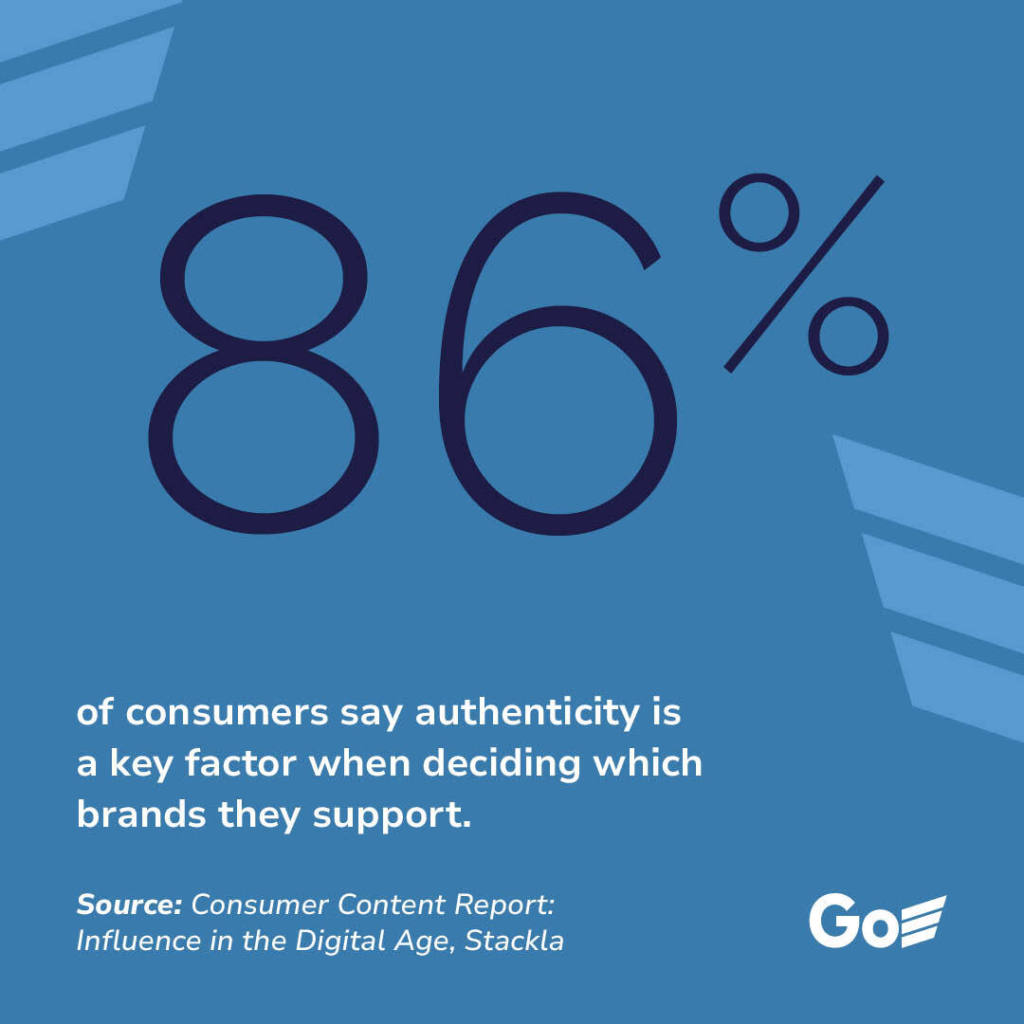
Authenticity isn’t just a feel-good concept, it drives measurable results. Research shows that 86% of consumers say authenticity is a key factor when deciding which brands they like and support (Stackla). Brands that prioritise human connection see higher engagement, stronger loyalty, and better conversion rates.
When design reflects authenticity, it becomes a growth engine. It turns users into advocates and transactions into relationships.
How GoTripod embeds authenticity
At GoTripod, we believe design is more than aesthetics, it’s a conversation. We embed authenticity and human connection into every stage of the digital journey:
- Discovery workshops to uncover real user needs and brand truths.
- Inclusive design principles to ensure accessibility and representation.
- Tone of voice frameworks that sound human, not robotic.
- Visual storytelling that feels genuine and aligned with your brand values.
Our goal? To create digital experiences that don’t just perform, they resonate.
Conclusion
In an age of automation, authenticity is your competitive edge. Human connection is your growth strategy. Brands that embrace these principles will not only stand out, they’ll stand for something.
If authentic, human‑centred design is part of your growth strategy, let’s talk about how GoTripod can bring authenticity to your brand.